When hiking across the rocky expanses of the American Southwest, it is very likely to walk through pinyon-juniper woodlands. The pinyon pine (Pinus edulis or Pinus monophylla) in these woodlands looks like a humble, twisted little tree struggling to survive in a harsh environment. But this tree is of by far higher value than it appears at first sight.
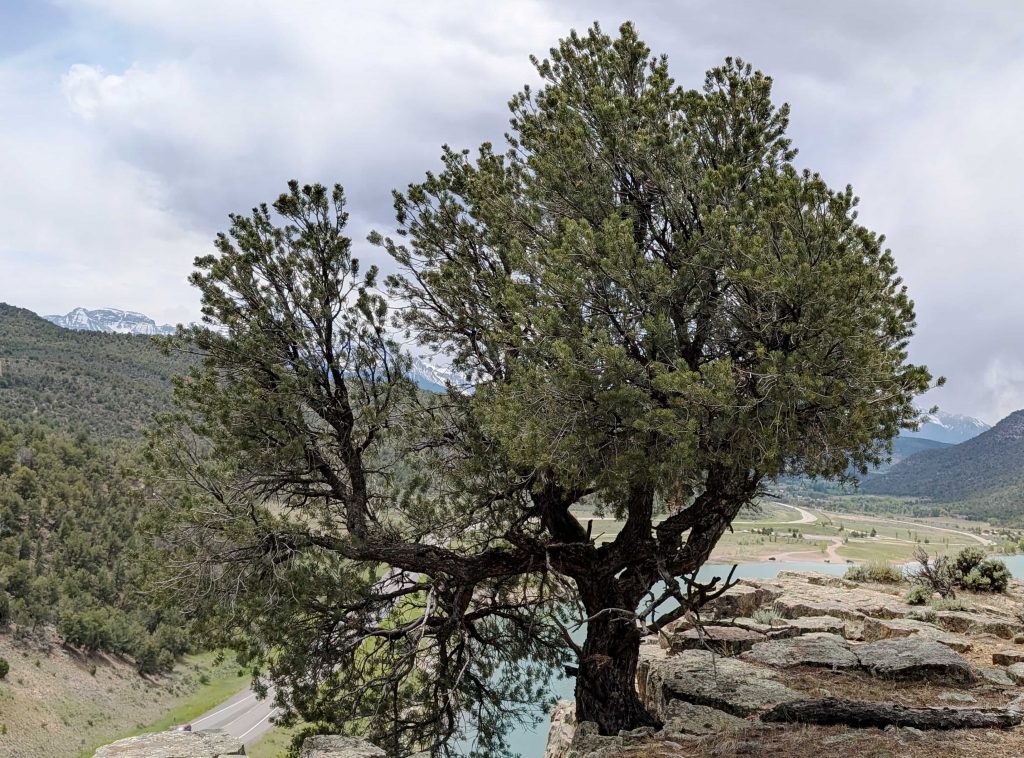
For thousands of years, this resilient conifer has been one of the most vital survival resources on the Colorado Plateau. For the Ute Indian people, the pinyon pine was not just a plant; it was a cultural cornerstone, a reliable and important food source, and a source of utilitarian and medicinal raw materials.
Other pine tree species with edible seeds
The Ute people, however, are not alone in eating such seeds globally. Out of more than 100 pine species worldwide, about 20 species produce seeds large enough to be worth harvesting for human consumption. But Pinyon, Swiss, Korean, and Italian Stone pines make up the “big league” of global pine nut consumption.
| Pine Tree Species | Common Nut Name | Region of Origin | Visual & Culinary Profile |
| Pinyon Pine (Pinus edulis / monophylla) | Piñon | American Southwest | Small, round, soft shells. Exceptionally sweet and buttery due to a very high oil content. |
| Swiss Pine (Pinus cembra) | Swiss Stone Pine Nut. Further description of these nuts can be found on the Bushguide101 website here. | European Alps / Carpathians | Broad, thick-shelled seeds. They have a distinct resinous flavor and are often used locally in alpine liqueurs (Zirbenschnaps). |
| Korean Pine (Pinus koraiensis) | Chinese/Korean Pine Nut | Eastern Asia (Siberia, Korea, China) | Distinctly triangular, robust kernels. They have a stronger, slightly bitter aftertaste. |
| Italian Stone Pine (Pinus pinea) | Pinoli | Mediterranean Coast | Long, slender, ivory-colored torpedoes. Very delicate flavor with a mild pine aroma. They are classically used for Pesto. |
These four completely different tree species, scattered across continents, evolved similar seeds because they all share a relationship with birds, specifically corvids (jays, crows, and nutcrackers). Because the trees need to entice these birds to do the heavy lifting, they pack their seeds with maximum fats, proteins, and calories—which is exactly why humans love eating them, too.
Description of Pinyon pines
Pinyon pines are remarkably adapted to arid climates. They are slow-growing, long-lived trees that thrive at elevations between 4,000 and 9,000 feet, or 1,200 and 2,700 meters, often gripping sandstone cliffs and gravelly ridges where few other trees can find a hold.
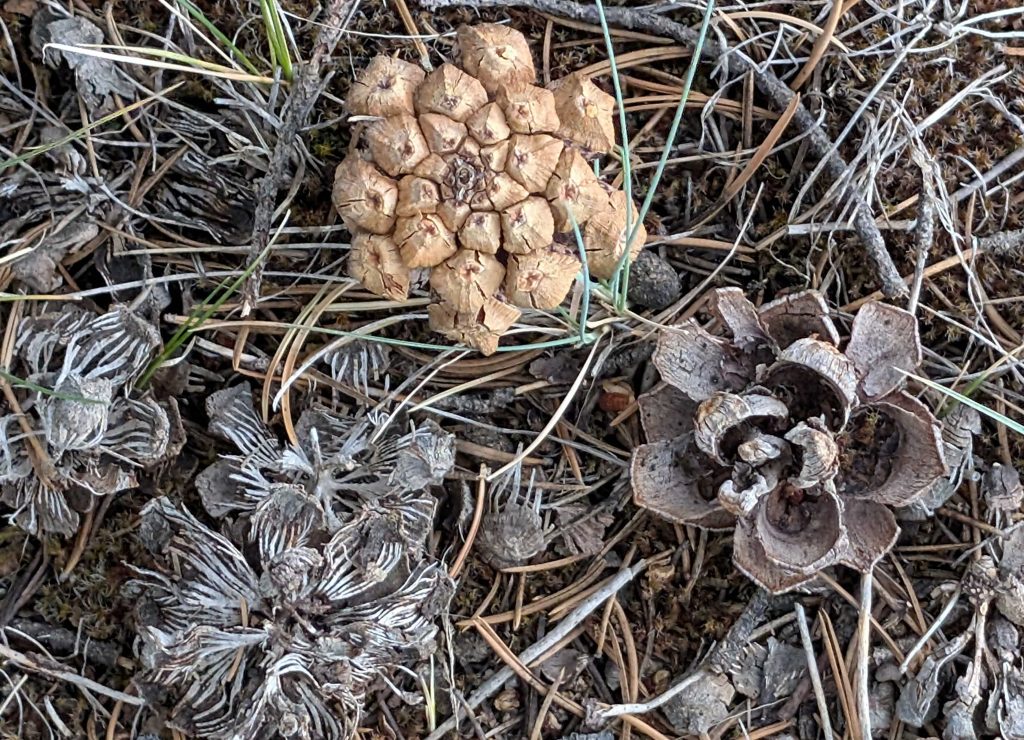
Depending on the specific region, there are two distinct species:
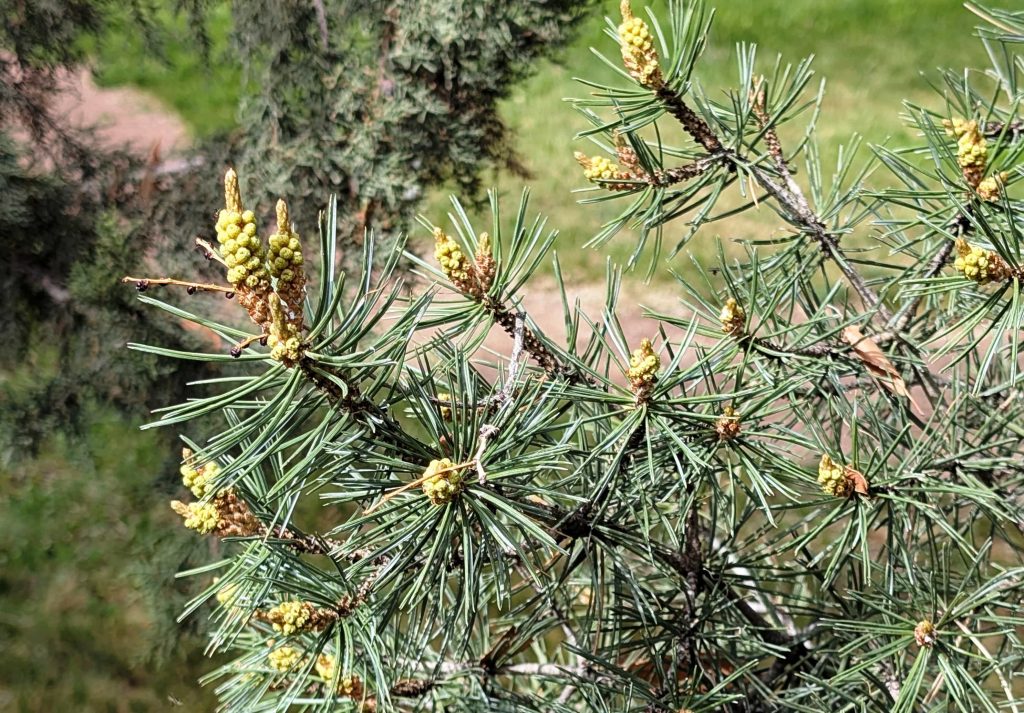
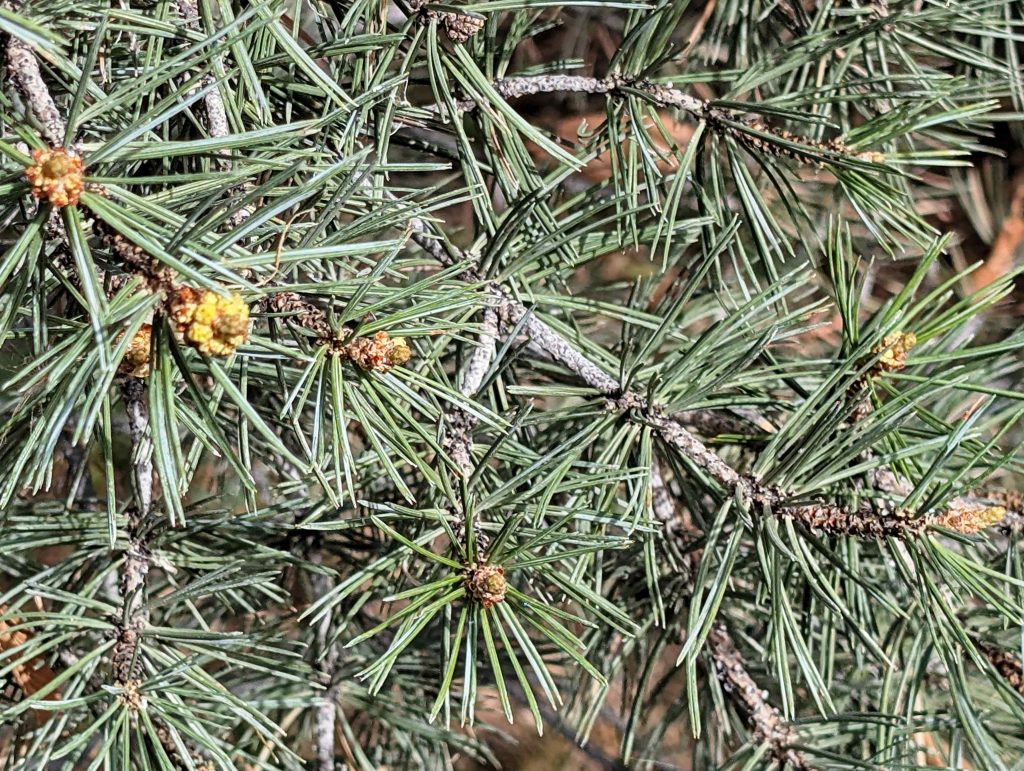
- Two-Needle Pinyon (Pinus edulis): The official state tree of New Mexico, featuring needles that grow in pairs. This is the dominant species across the Ute ancestral lands in Utah and Colorado.
- Single-Leaf Pinyon (Pinus monophylla): Found further west into the Great Basin (mainly Nevada and Western Utah), notable for being the world’s only pine tree with just one needle per fascicle.
Because water is scarce, these trees rarely exceed 30 feet (9 meters) in height, but their root systems can spread twice as wide as the tree is tall to catch every drop of rainfall. This slow growth makes their wood incredibly dense, rich in flammable resins, and highly aromatic.
Pinyon pine – its cones and nuts
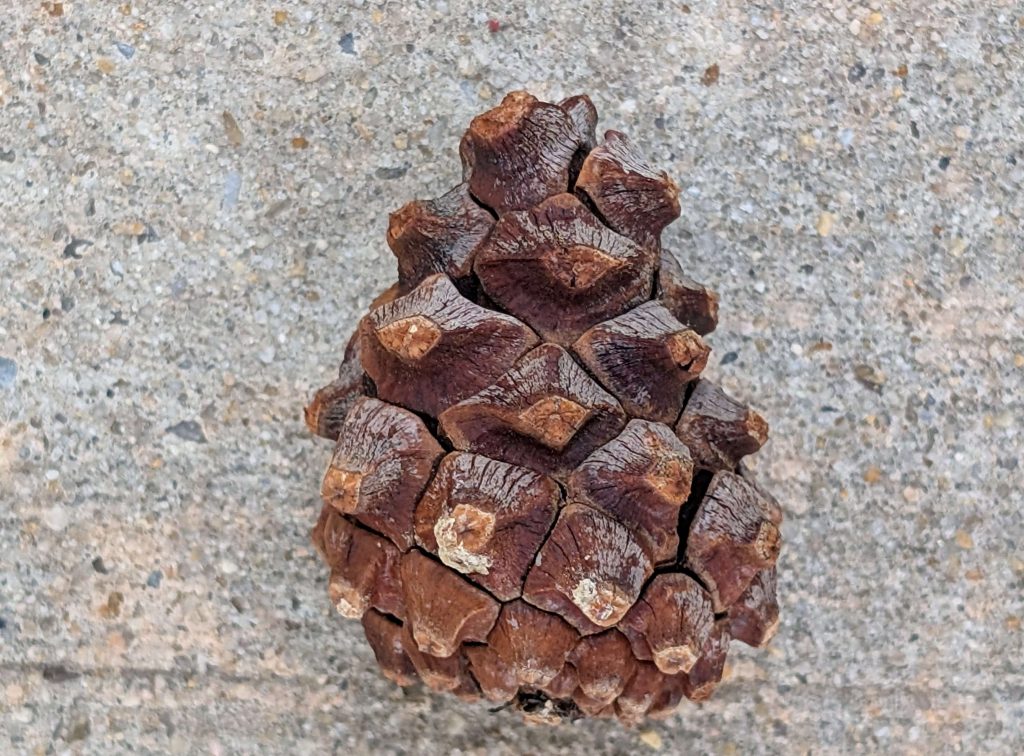
The most prized part of the pinyon pine is its seed, commonly known as the pine nut or tuba in the Ute language. To reliably obtain this high-energy food source, it is necessary to understand the pinyon cone’s multi-year cycle.
The Multi-Year Cone Cycle
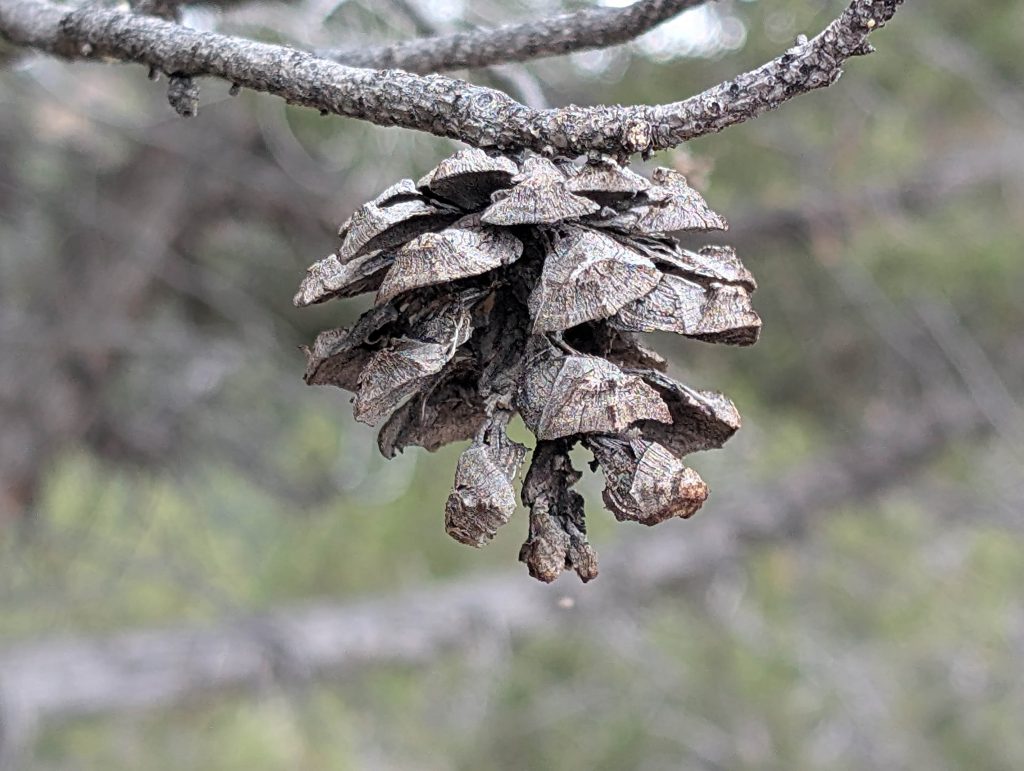
Pinyon pines do not produce a massive crop every year. Instead, they undergo a cycle of masting. Every 3 to 7 years, environmental cues trigger a massive, synchronized output of cones across an entire region.
A single pinyon cone takes nearly three full years to develop:
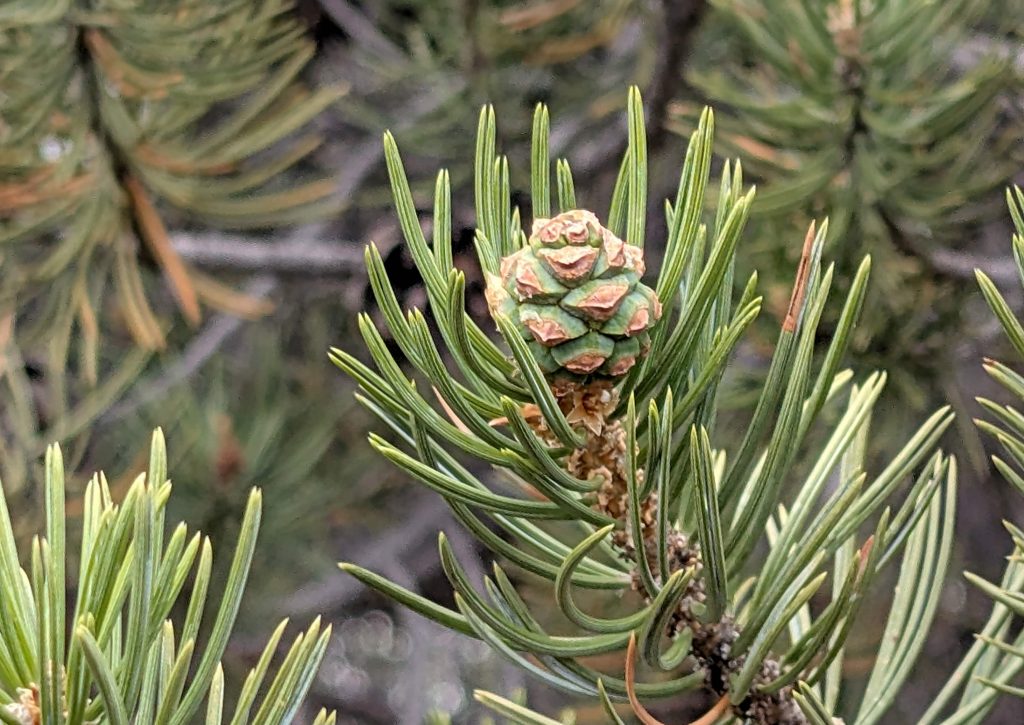
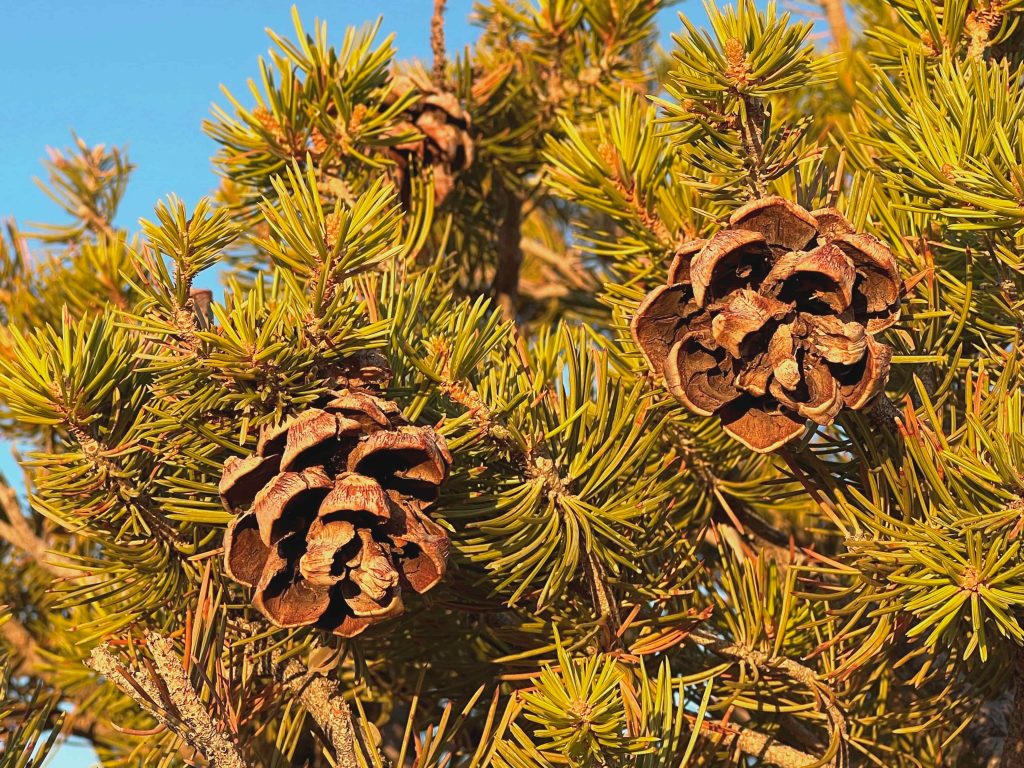
Nutritional value
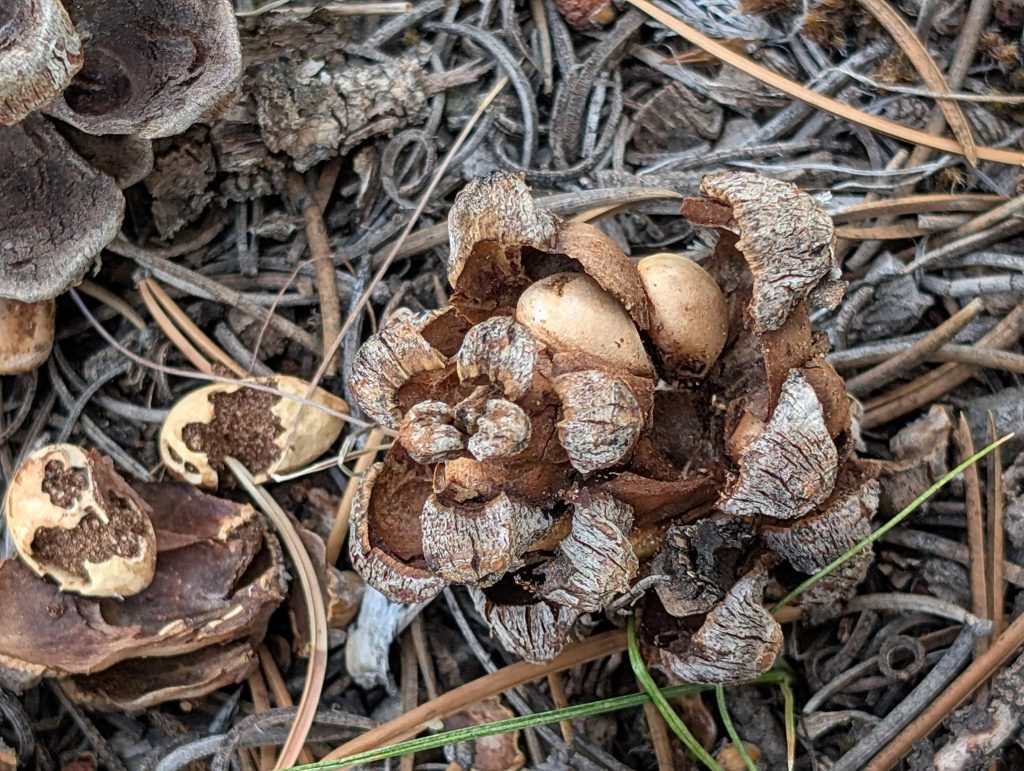
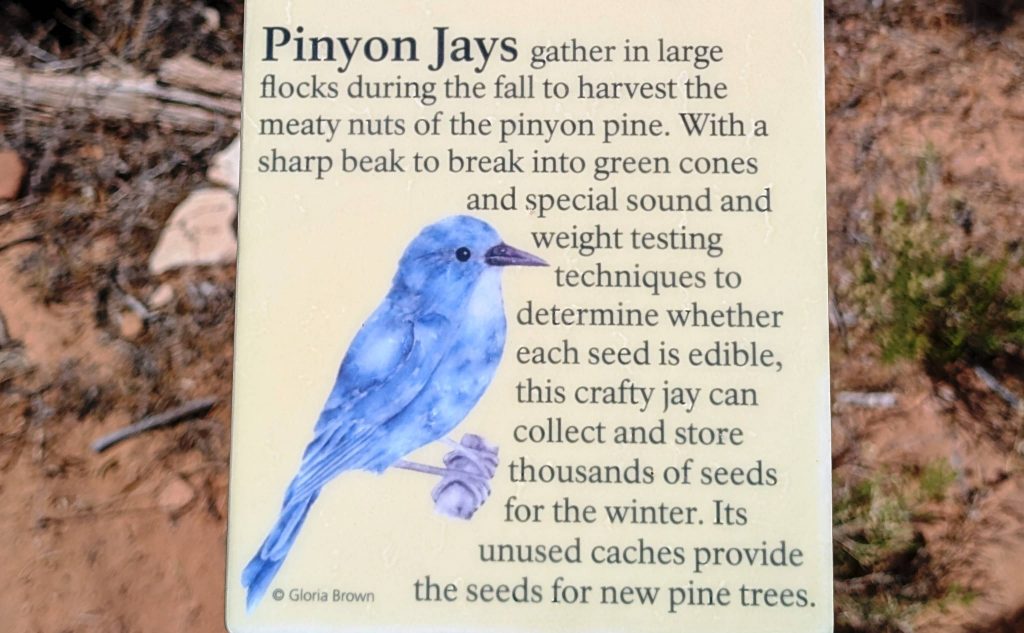
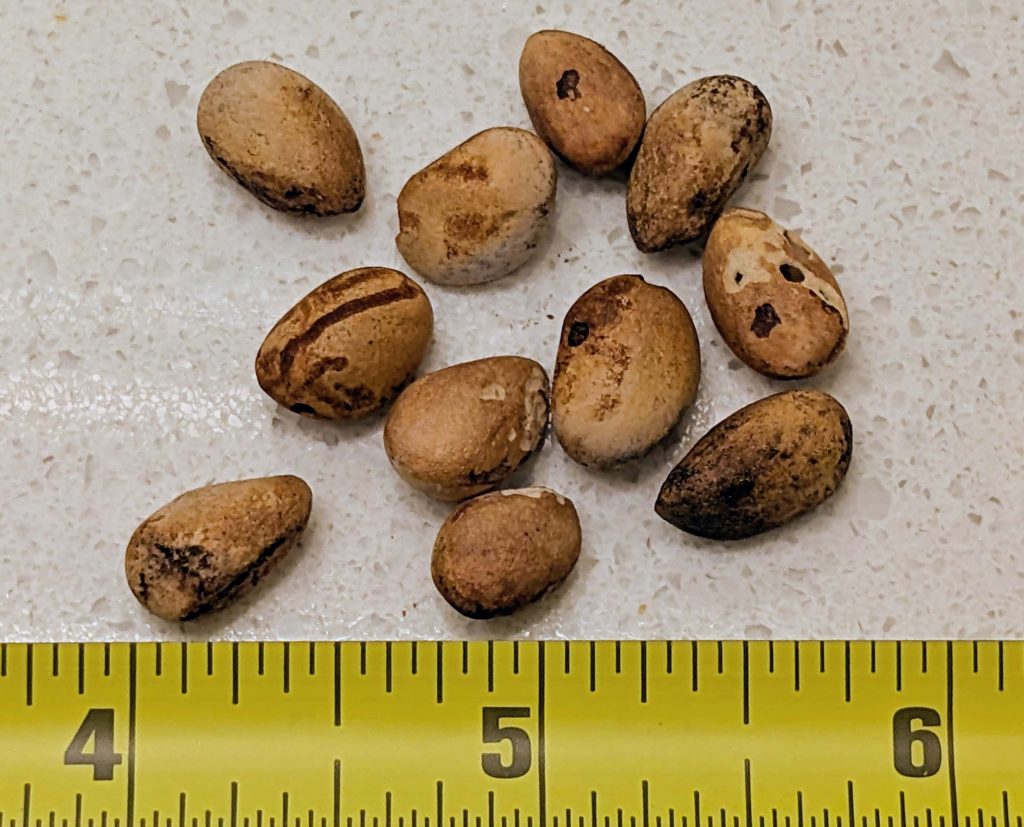
Unlike the tiny, winged seeds of ponderosa or lodgepole pines that rely on the wind, pinyon seeds are heavy, dark brown, and entirely wingless. They rely on the Pinyon Jaybird and rodents, like the Pinyon mouse, to disperse them.
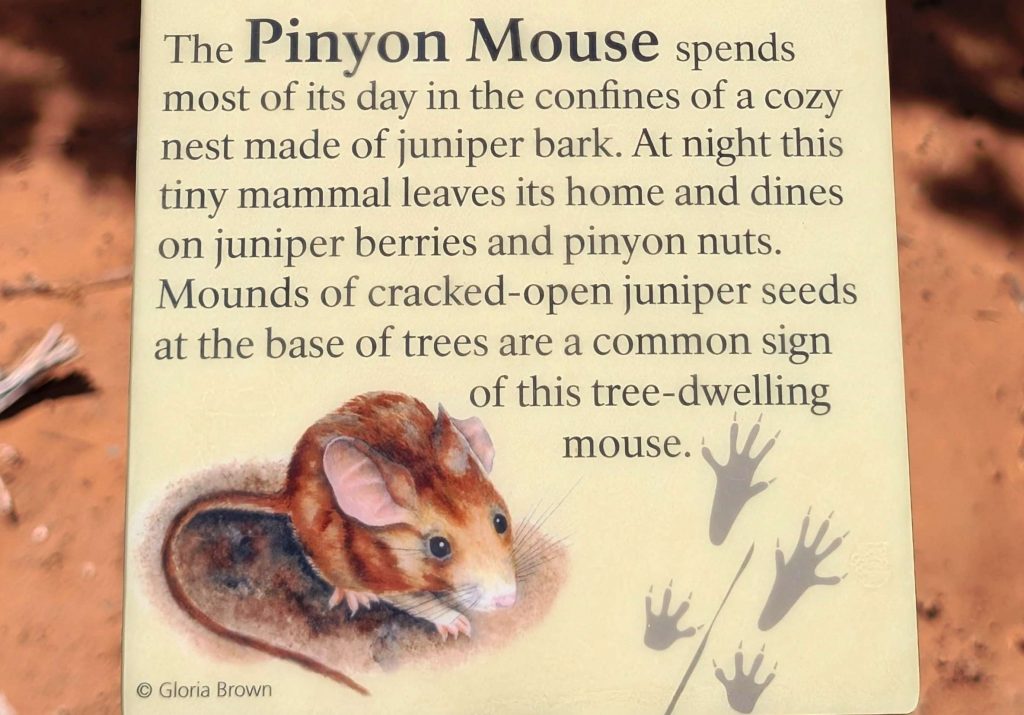
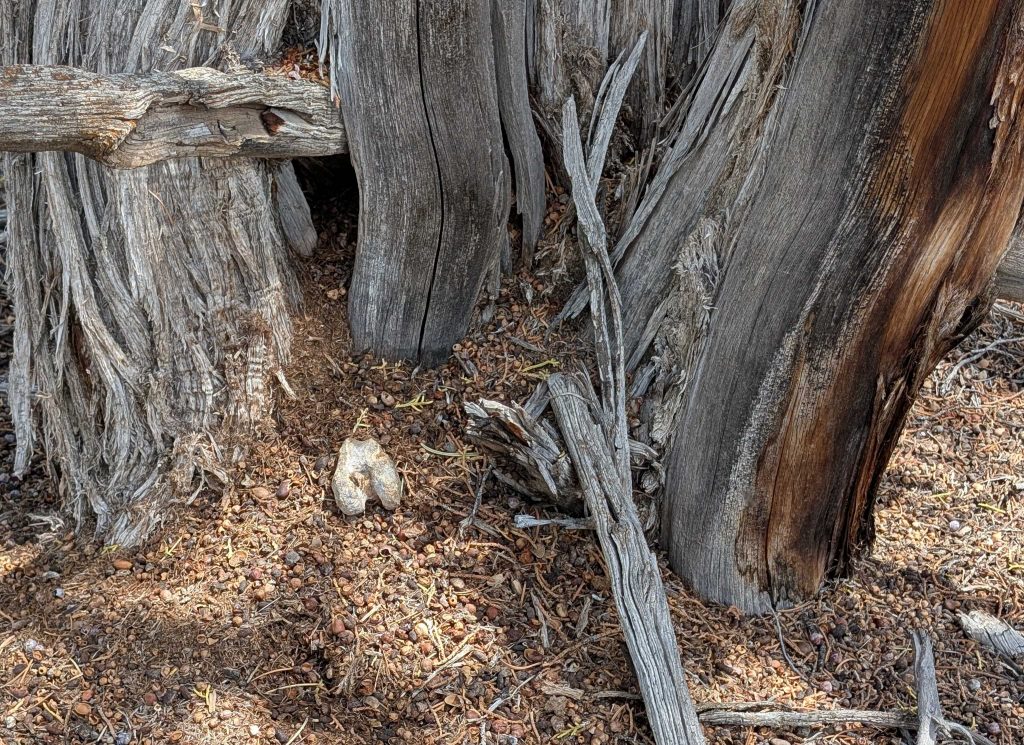
For humans and animals alike, these nuts are a nutritional treasure. A single pound of shelled pinyon nuts packs roughly 2,500 to 3,000 calories. They are exceptionally rich in fats (roughly 60%) and protein (up to 18%), containing amino acids vital for survival (Balda & Kamil, 1998). These healthy fats are essential for maintaining body heat and energy in winter, while the protein profile provides a complete nutritional foundation comparable to cultivated crops or meat.
The Value for the Ute People
In former times, before forced relocation to reservations, the Ute people followed a seasonal migration pattern. They spent their summers hunting in the high alpine meadows of the Rocky Mountains and descended to the lower mesas and valleys in the autumn. The timing of this descent coincided with the opening of the pinyon cones after the first frosts.
The Great Autumn Harvest
When the pinyon crops matured, it was a time of celebration, social gathering, and intense labor. Multiple bands of Utes – as well as large flocks of Pinyon jays – would converge on the pinyon groves for the harvest, which usually took place in September and October.
The harvest required specialized techniques depending on how far along the cones were:
- The Green Cone Harvest: If the Utes arrived before the cones naturally opened, they would use long, hooked wooden poles to knock the sticky, green cones from the branches. These green cones were then piled into pits and lightly roasted over a slow fire. The heat melted the heavy pitch and forced the scales to pop open, releasing the nuts while simultaneously parching them.
- The Brown Cone Harvest: After the first frosts in autumn, the cones open on the tree, and large woven mats or baskets were placed beneath the branches. The harvesters would gently beat the limbs with sticks, causing a rain of loose nuts to fall straight into the baskets.
Once gathered, the nuts were spread onto large hide or willow trays and mixed with hot coals. By shaking and tossing the tray, the Utes roasted the nuts uniformly, drying the inner meat and making the brittle outer shells easy to crack.
Preservation and Culinary Uses
Besides nutritional value, the great advantage of the pinyon nut as a food source lies in its shelf life. Once thoroughly parched and dried, the unshelled nuts could be stored in woven baskets lined with pitch or buried in underground cache pits for up to three years without spoiling. This was the ultimate source of sustenance in the harsh Rocky Mountain winters when game was scarce.
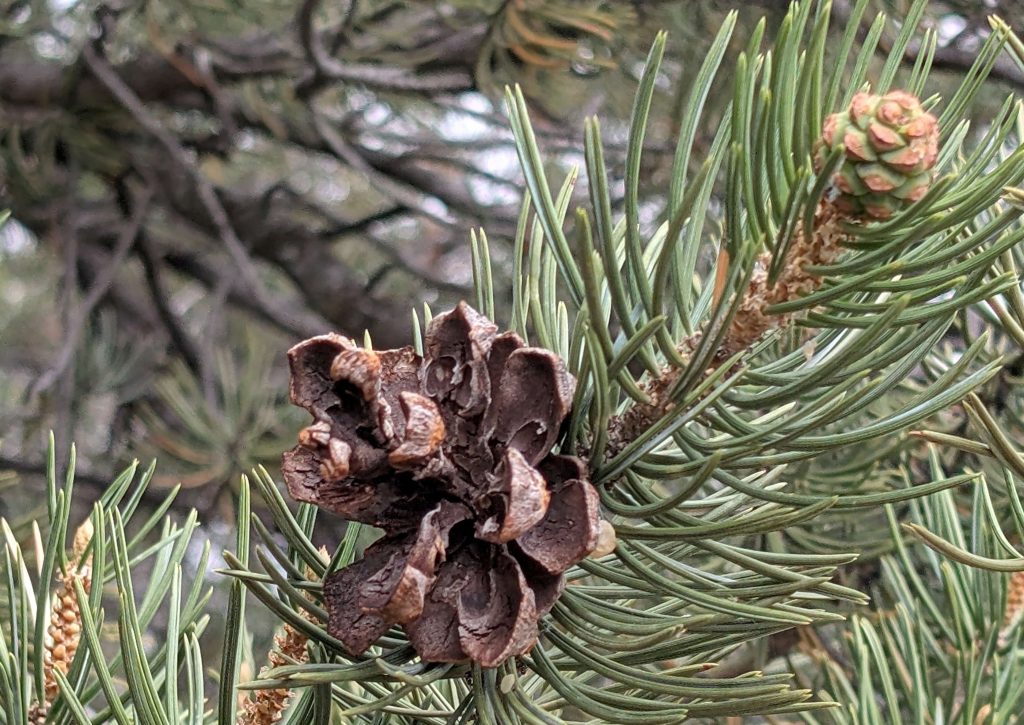
As documented in ethnobotanical records, indigenous communities consumed pine nuts in various ways (Anderton, 2006).
They were eaten raw or roasted as a snack during hunts. Or they were ground on a stone slab into a rich paste or seed butter, mixed with wild berries for winter preservation, which was like pemmican. Another use was to boil them in soups and stews to thicken the broth and boost the fat content of venison or bison meat.
Utilitarian and medicinal uses of pinyon pine trees
The Ute people did not just value the tree for its food; they utilized every single part of the pinyon pine to sustain their daily lives.
| Tree Part | Traditional Ute Utilization |
| Pine Pitch (Resin) | Used as a universal waterproof sealant for woven basketry, water jugs or jars, and clothing seams. It also served as a powerful antiseptic glue to seal deep wounds and cuts. |
| Inner Bark (Cambium) | In times of severe spring famine, the sweet, fibrous inner bark was scraped away and chewed fresh or boiled into an emergency food supply. |
| Pine Needles | Boiled into a vitamin-C-rich tea used to combat winter colds, respiratory congestion, and scurvy. |
| Wood & Charcoal | Provided a hot-burning, slow-consuming firewood essential for surviving winter camps. The dense charcoal was also ground up and mixed with fat to create ceremonial black body paint and pigments. |
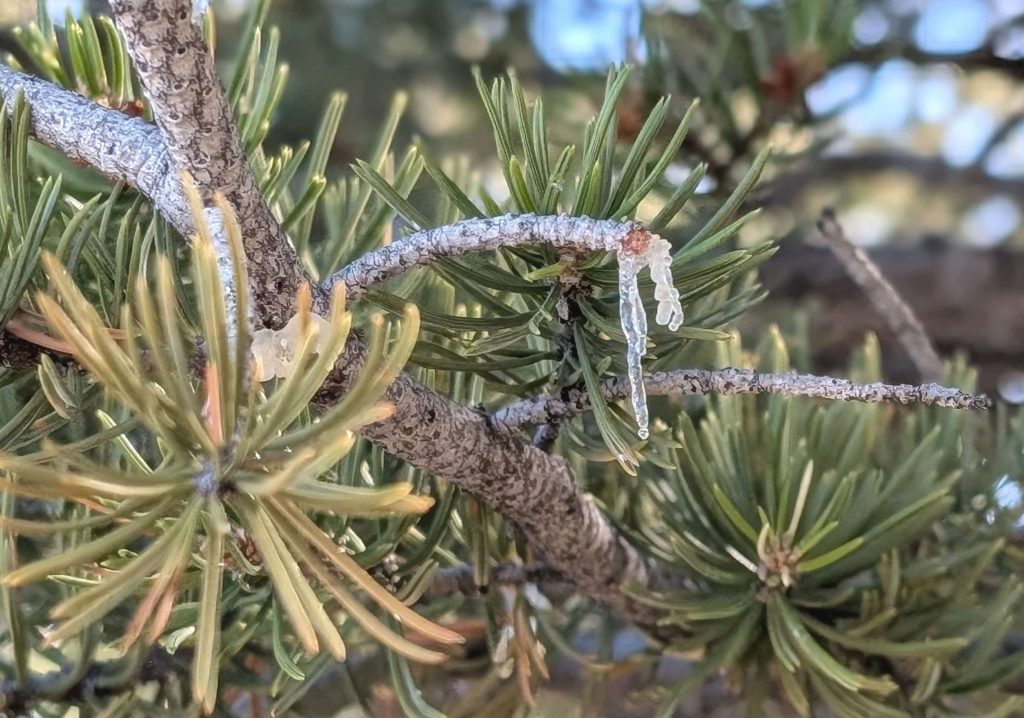
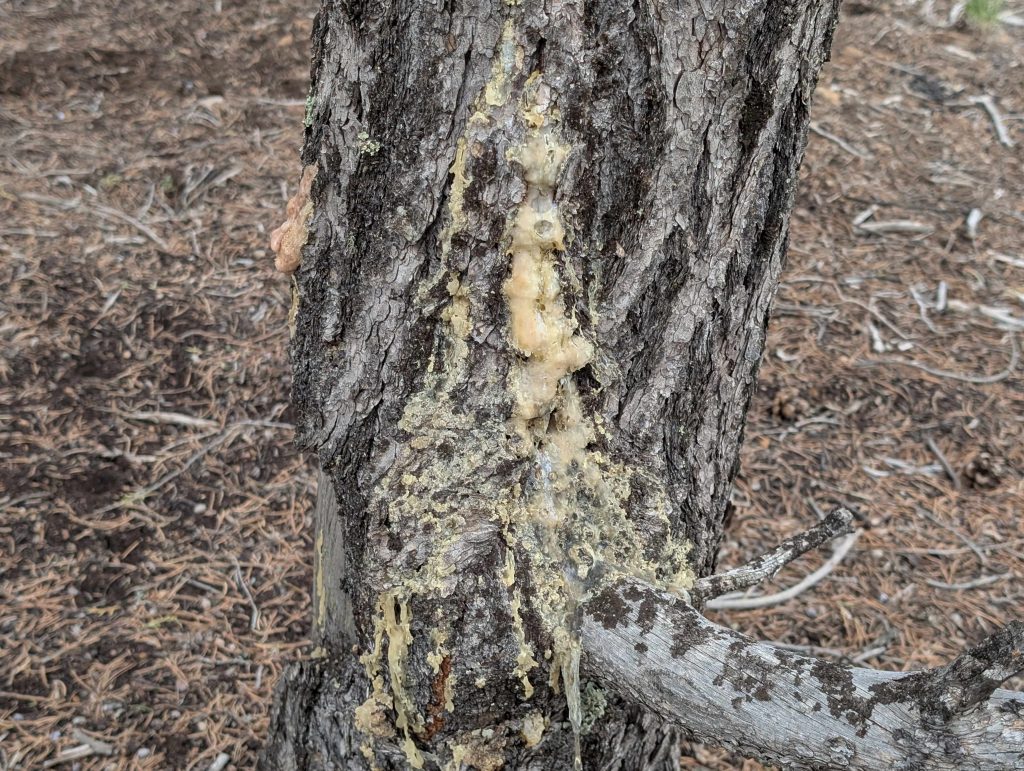
Pinyon pines extrude a clear to yellowish resin pitch
For the Ute people, the pinyon pine was regarded as a gift from the Creator. Gathering the nuts was accompanied by prayers and tobacco offerings. Cornmeal was frequently given to the trees before the harvest began to ensure the grove’s health for future generations.
Today, the pinyon pines remain as an enduring symbol of survival and self-reliance. When hiking in the Rocky Mountains of the Southwest, we should treat this species with respect, as we are looking at the ancient life support system of the Ute Indian people.
Lessons learned about pinyon pine trees and their nuts:
- Pinyon pines have hard-shelled seeds or nuts, which are spread by birds.
- These nuts are similar to those of Swiss pines, Korean pines, or Italian stone pines.
- Harvestable pinyon pinecones only develop every 3 – 7 years
- One pound (1/2 kg) of pinyon pine nuts provides up to 3000 calories, due to their richness in oil.
.