Freshwater prawns, specifically Macrobrachium lanchesteri—locally known as Goong foi in Thailand—are one of the most efficient “survival foods” you can find in the wild. While they might be small, these translucent crustaceans are abundant in nearly every permanent water body across Southeast Asia, particularly in rice paddies. For the bushcrafter or survivalist, they represent a high-protein, low-effort meal that can be harvested with minimal gear.
How to Catch Your Meal
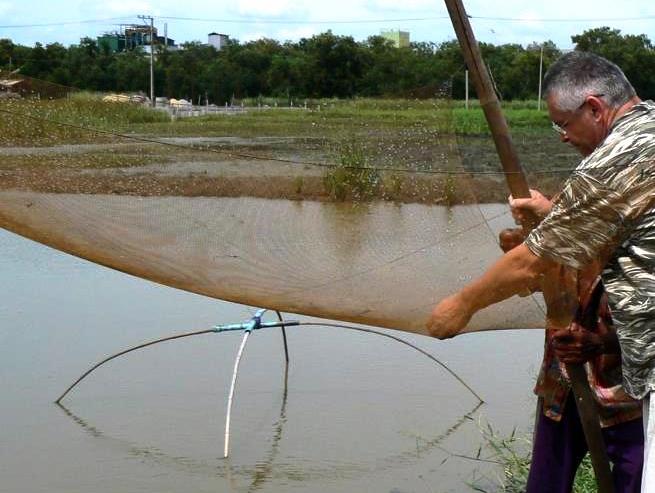
The beauty of ricefield shrimp is that you don’t need expensive lures or heavy rods. In traditional Thai foraging, two primary methods stand out:
- The Hand Net: Ideal for shallow edges and thick vegetation where shrimp hide from predators.
- The “Yor Lek” (Small Lift Net): This is a highly efficient “food machine.” By sprinkling a bit of rice bran or crushed snails in the center of the net and submerging it for an hour, you can catch enough for a full meal in a single lift.
Once caught, the shrimp are typically kept in a pot of fresh water to keep them alive and clean until the moment they are prepared.
Culinary Adventure: The “Dancing Shrimp”
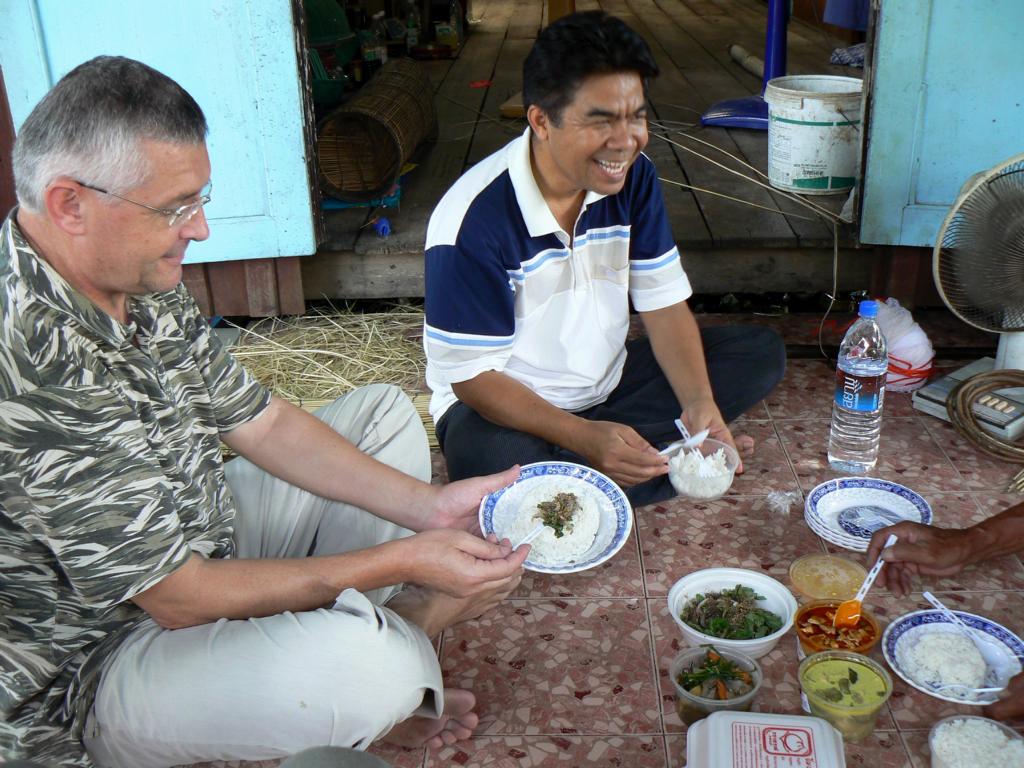
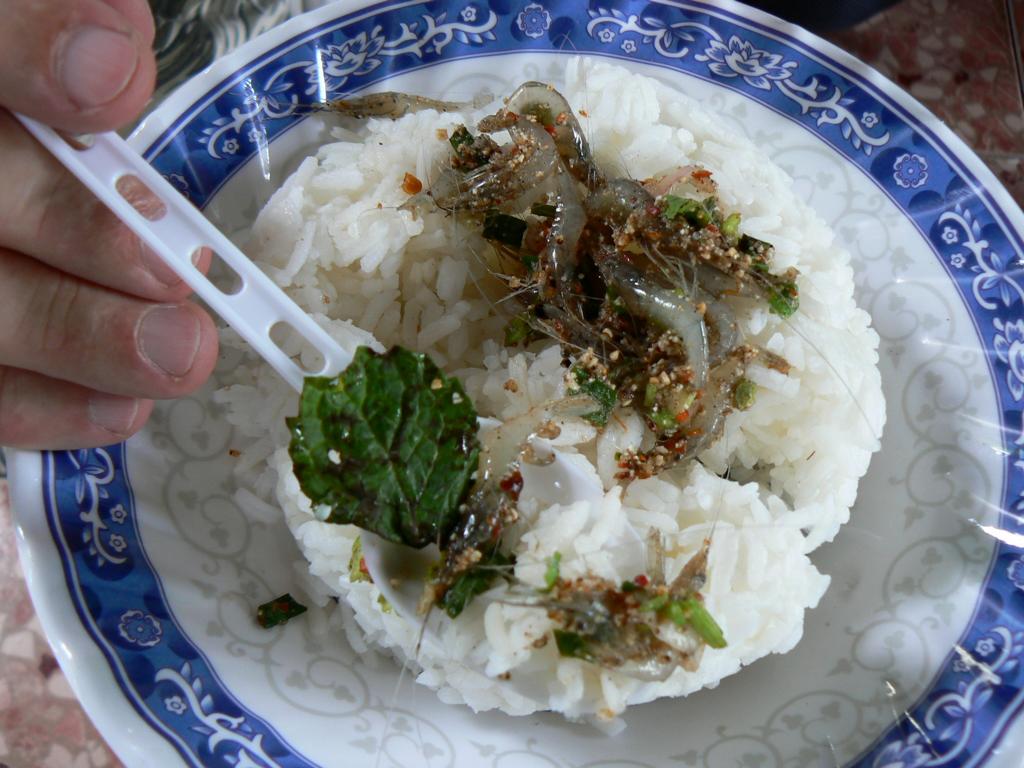
In the Isan region of Thailand, a legendary dish called Goong Ten (translated as “Dancing Shrimp”) takes “freshness” to the extreme. The shrimp are served alive, seasoned with a vibrant mix of:
- Lime juice and fish sauce for a zesty base.
- Chili and lemongrass for heat and aromatics.
- Pounded roasted rice and mint leaves for texture and fragrance.
When you eat Goong Ten, the shrimp literally “dance” or jump in your mouth. The only challenge? Their long feelers can tickle your palate as they move! The trick is to start biting immediately to enjoy the sweet, clean flavor of the meat.
Why They Are Survival Gold
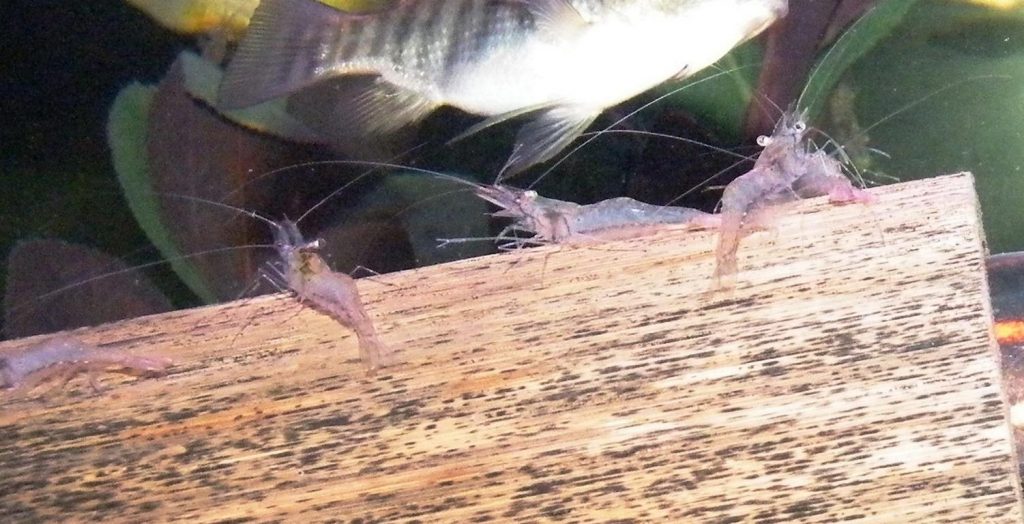
Beyond the novelty, ricefield shrimp are a nutritional powerhouse. They are packed with high-quality lean protein and essential minerals like selenium, vitamin B12, and iron.
For those in a survival situation, they offer several advantages:
- Low Risk: Unlike large game, catching shrimp involves very little physical exertion.
- Abundance: They reproduce rapidly and inhabit almost any freshwater source, from irrigation canals to flooded fields.
- Versatility: If you aren’t brave enough to eat them “dancing,” they can be quickly boiled, stir-fried, or tossed into a soup to add a savory depth of flavor.
Forager’s Tip:
When eating wild shrimp, always ensure the water source is clean and free from heavy pollutants. If in doubt, a quick flash-boil is the safest way to enjoy your catch.