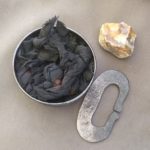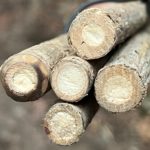
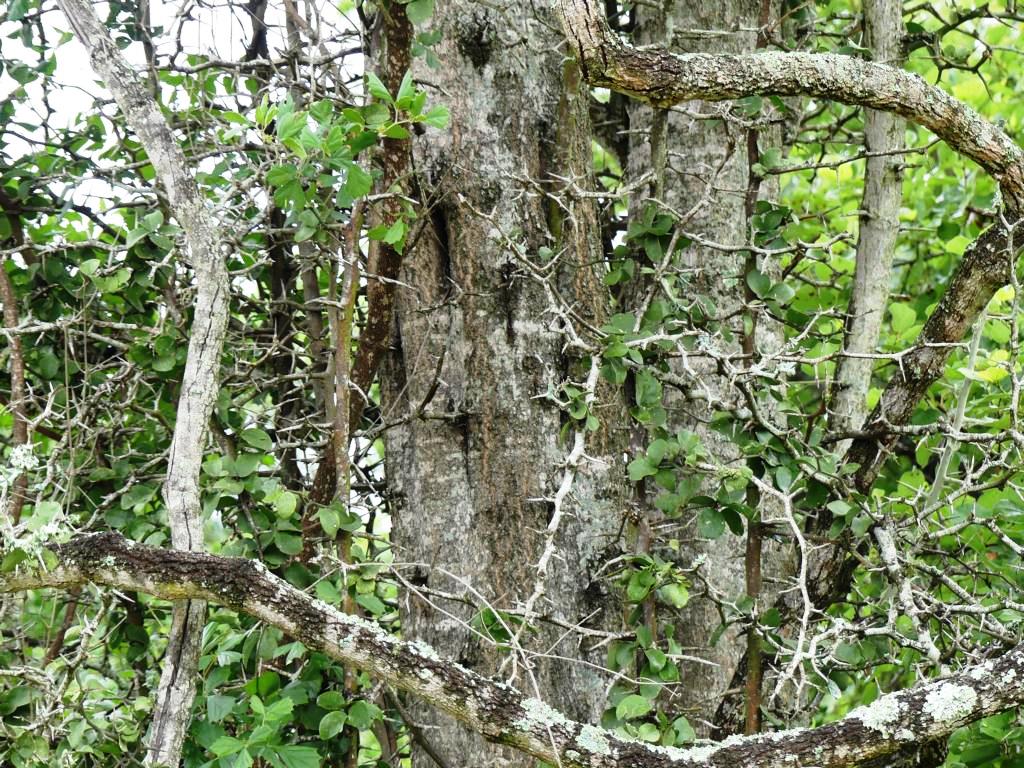
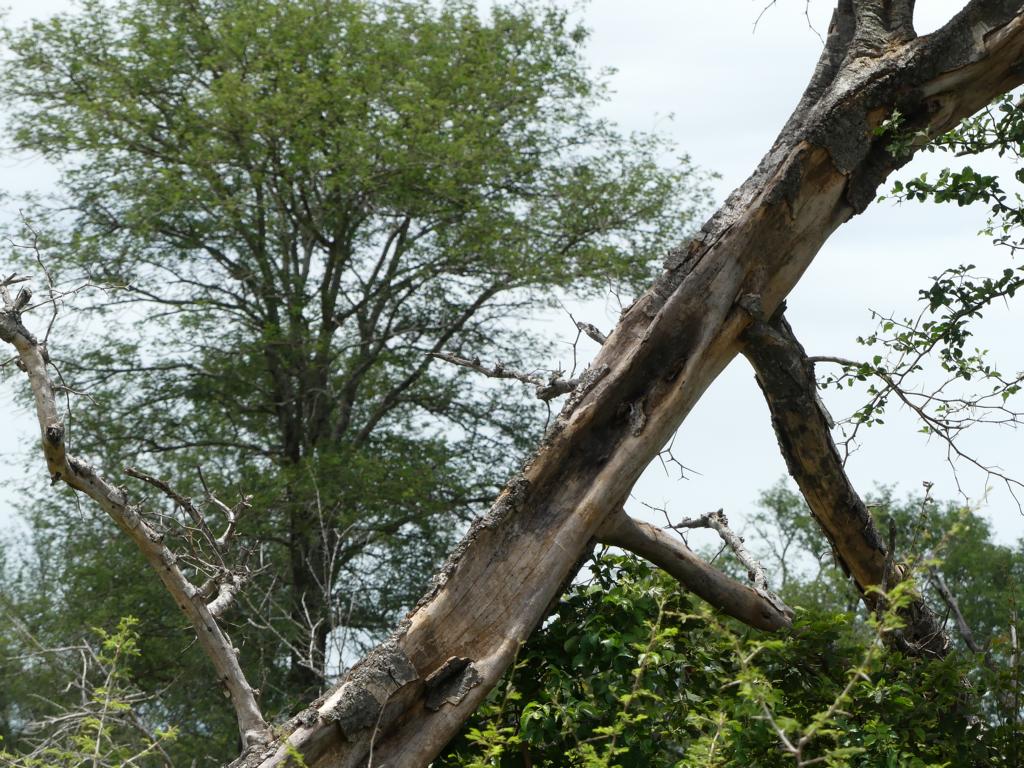
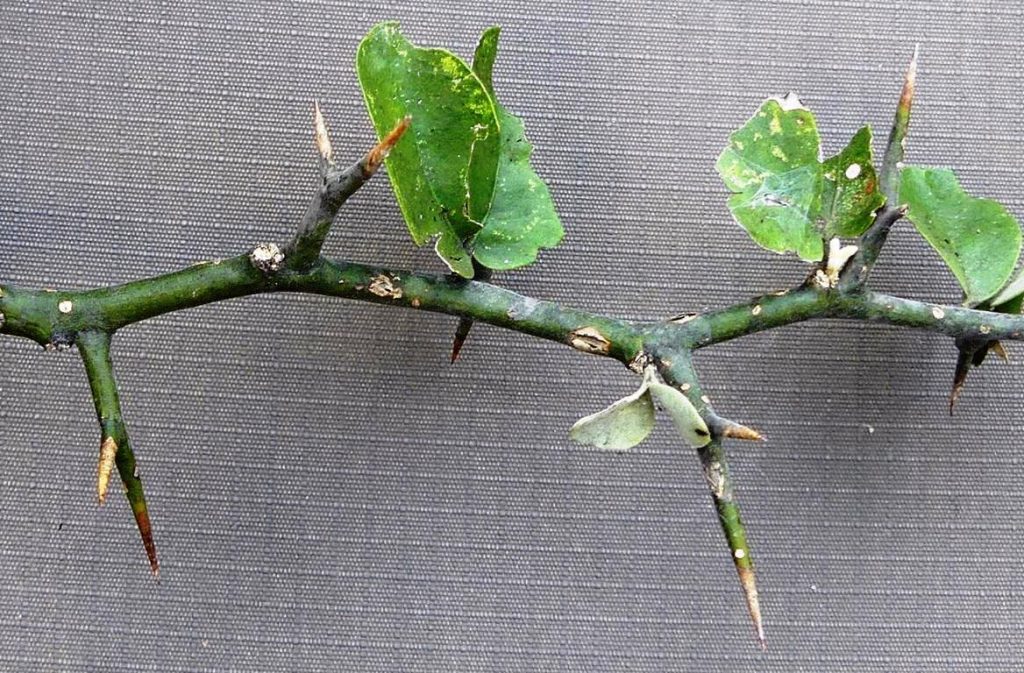
The Greenthorn, or Balanites maughamii, is a medium to large deciduous tree indigenous to the low-lying, sandy areas of Southern Africa. Often referred to as the Torchwood, this species is characterized by a distinctly fluted, buttressed trunk and bifurcated (Y-shaped) green thorns. Its various components—bark, fruit, and kernels—have served practical and medicinal functions in regional communities for centuries.
Natural Illumination and Lubrication
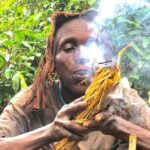
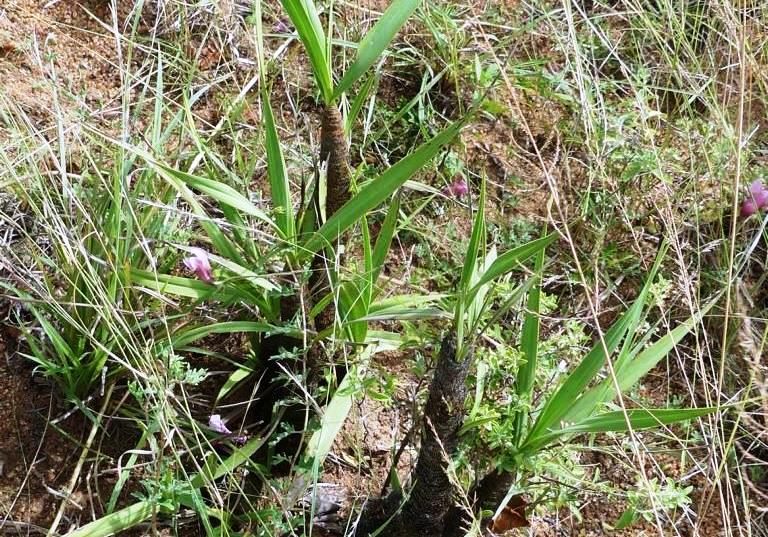
The common name “Torchwood” is derived from the high oil content found within the fruit’s kernel. This clear, odorless oil is highly combustible. Historically, it was used to manufacture torches by soaking the fibrous, dry stems of the Black-stick Lily (Xerophyta viscosa) in the extracted oil. These torches provided a reliable, slow-burning light source. Because of its stability and lack of residue, the oil was also used by early settlers as a lubricant for firearms and mechanical parts in ox-drawn wagons.
Biological Control and Fishing Applications
One of the most significant chemical properties of Balanites maughamii is the presence of saponins in its bark and unripe fruit. These compounds are potent fish poisons. When crushed bark or fruit is introduced into small bodies of water, the toxins interfere with fish oxygen uptake, making them easier to harvest.
Furthermore, these toxins serve a public health function. The fruit contains a lethal concentration of molluscicides that kill the freshwater snails that serve as intermediate hosts for Bilharzia (Schistosomiasis). When placed in stagnant water sources, the fruit helps reduce parasite transmission without making the water toxic to humans or livestock.
Ecology and Propagation
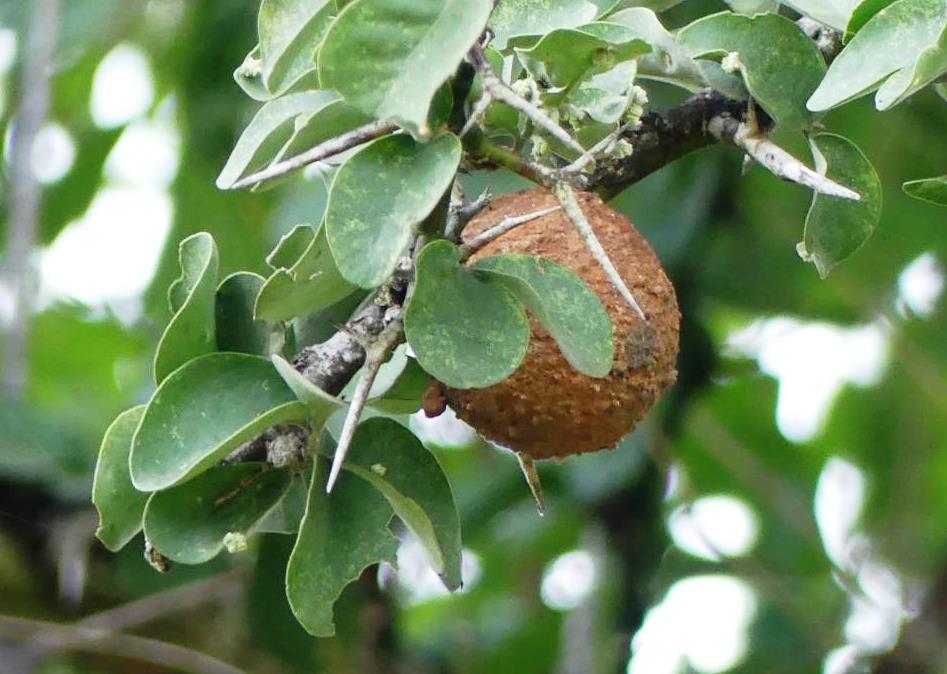
The tree shares a symbiotic relationship with large herbivores, particularly elephants. The fruit consists of a thin, leathery skin and a sticky, bittersweet pulp that elephants consume in large quantities. The hard internal seed is indigestible and must pass through the elephant’s digestive tract to facilitate germination. This process effectively thins the seed coat and disperses seeds across broad geographic areas via nutrient-rich manure.
Traditional and Medicinal Use
In Zulu culture, the bark and roots are processed into an infusion. When agitated, saponins form a foam used in ritual purification and as a topical treatment to soften the skin.