Soapbush (Miconia crenata) is also called Koster’s curse, or, due to its former scientific name (Clidemia hirta), Hairy clidemia in English. It is a highly invasive plant in tropical climates, and many countries have developed eradication programs against this weed. For junglecraft, however, it is a beneficial plant that can be used for various purposes, as discussed below.
Appearance
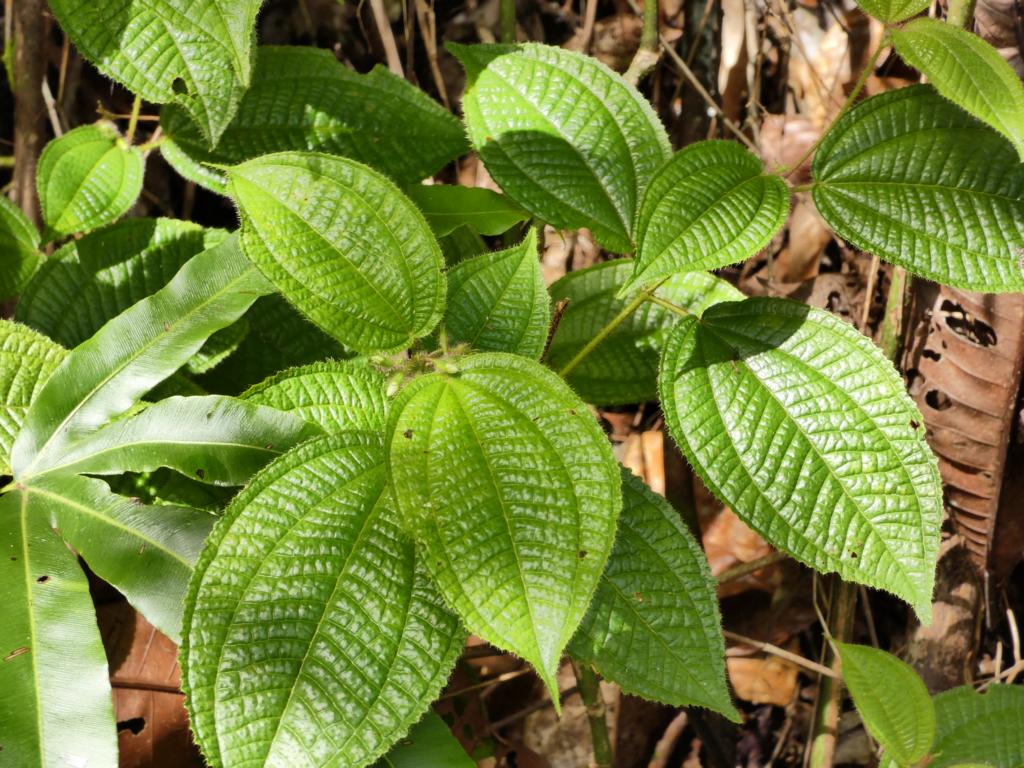
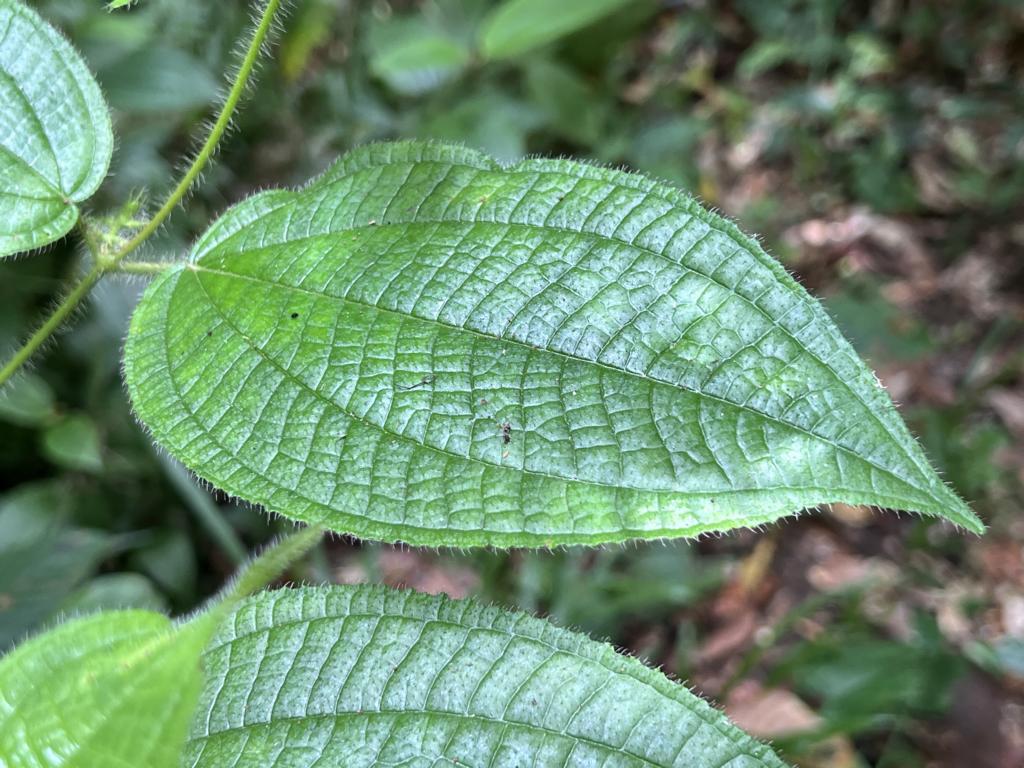
Soapbush is easy to recognize due to its characteristic leaves. BioNET EAFRINET describes them as: ‘…The leaves … have a somewhat wrinkled (rugose) appearance and five distinct veins that run in an almost parallel fashion from the leaf bases to their tips….’.
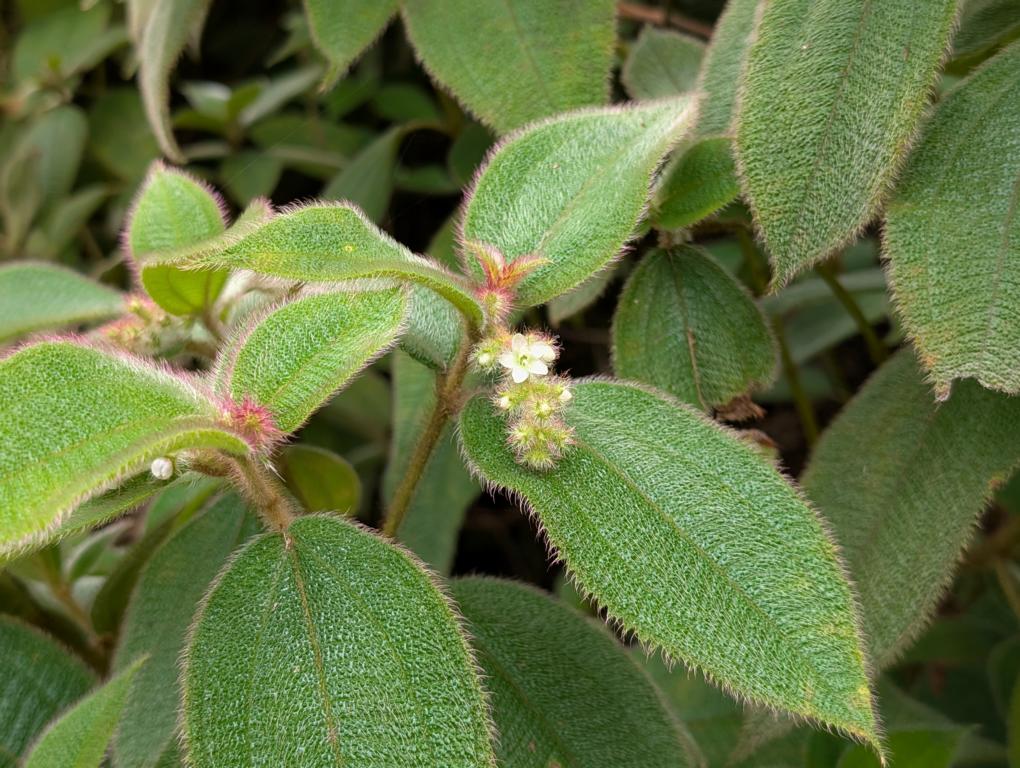
Young plants are more hairy than older ones, and plants growing in shade can reach several meters in height. When exposed to direct sunlight, the plants typically only grow up to 1 m high.
Distribution of soapbush
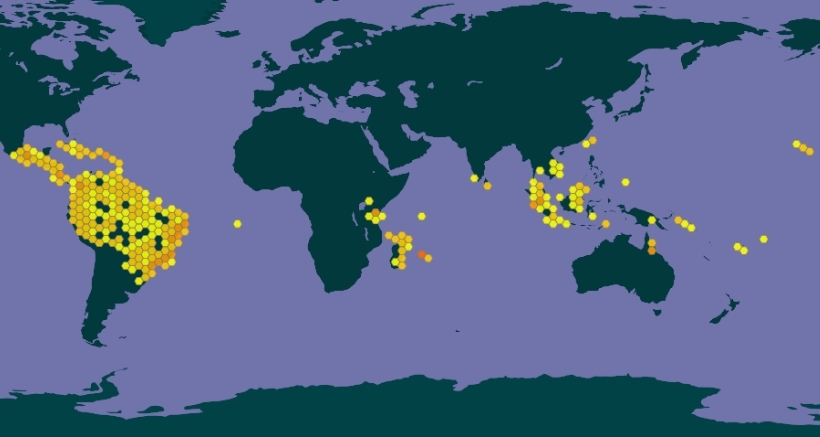
Native to tropical regions from Mexico to Paraguay, it has now spread worldwide.
It is a typical pioneer plant that germinates faster than other plants on disturbed soils and forms a vegetation mat that prevents other plants from growing. There are up to 800 seeds in each berry, which fruit-eating birds, mammals, and running water distribute. Although introduced, either intentionally or accidentally, outside its native range, soapbush is now regarded by many forest-dwelling communities as a traditional plant, as among the Orang Asli people in Malaysia.
Uses
Beyond the disadvantages of an invasive species, the soapbush offers more advantages than any other native weed in Malaysia. Among local people, it is seen as a highly valuable plant that, to date, has not reduced the number of local plants. There are four uses for the plant: as an alternative to soap, to stop bleeding, as food, and to carry freshly caught fish.
Alternative to soap
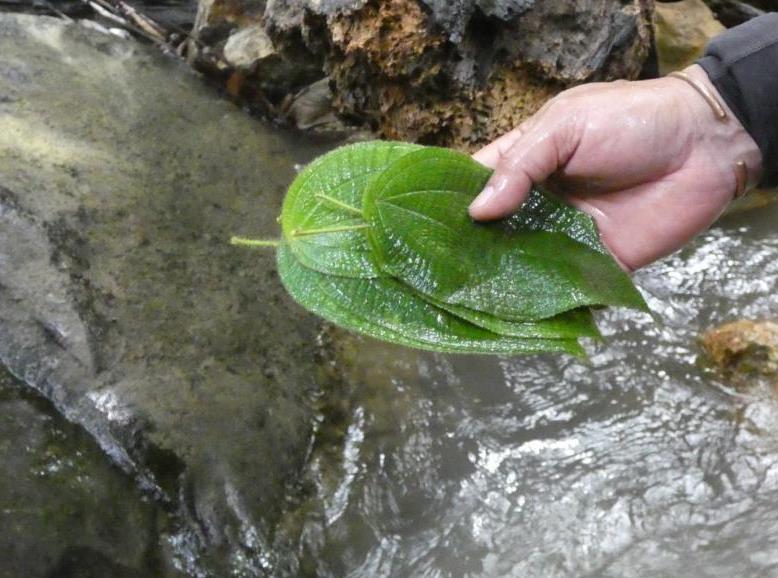
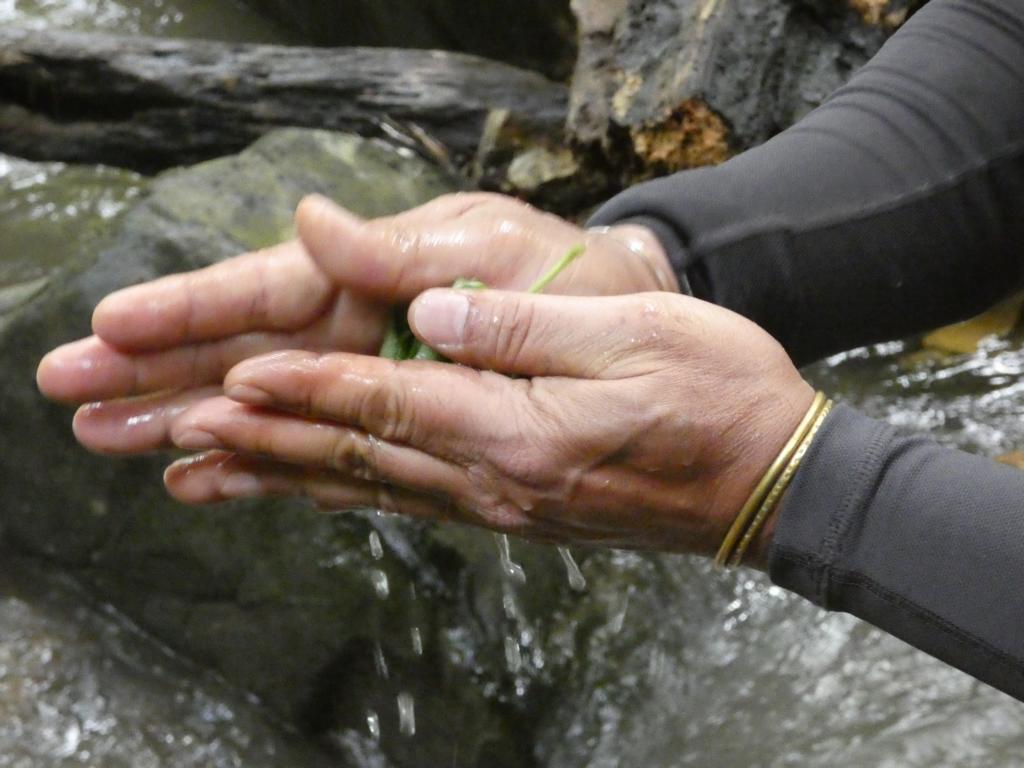
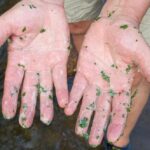
When crumpled leaves are rolled together, and water is added, white foam will soon form.
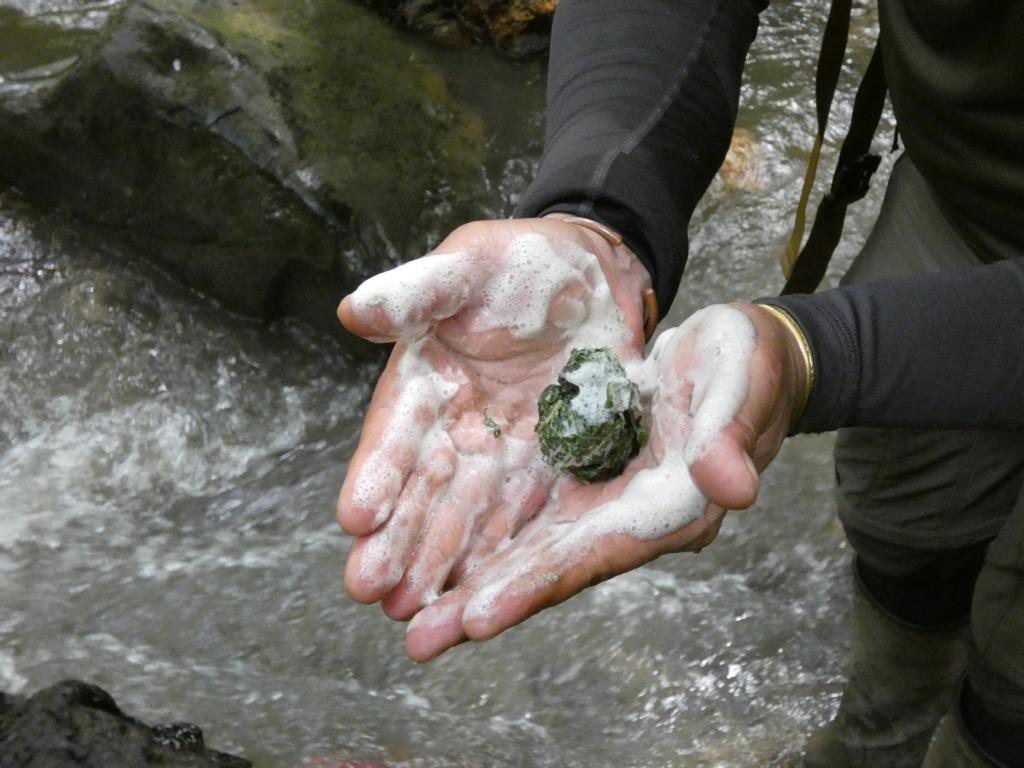
This rich, soapy lather works like regular soap for cleaning hands and other body parts, and for dissolving oil and fats. An elevated level of saponins in the leaves yields this soap, which can range from 0.5% to 3% of the leaves’ dry weight. But there is another set of chemicals that works in our favor: flavonoids and phenolic acids in the leaves act as antimicrobials and have an antiseptic effect. This was proven by Najiah Musa et al. from UMT Terengganu. The combined amount of flavonoids and phenolic acids is between 2% to 8% of dry leaf weight.
Stop bleeding
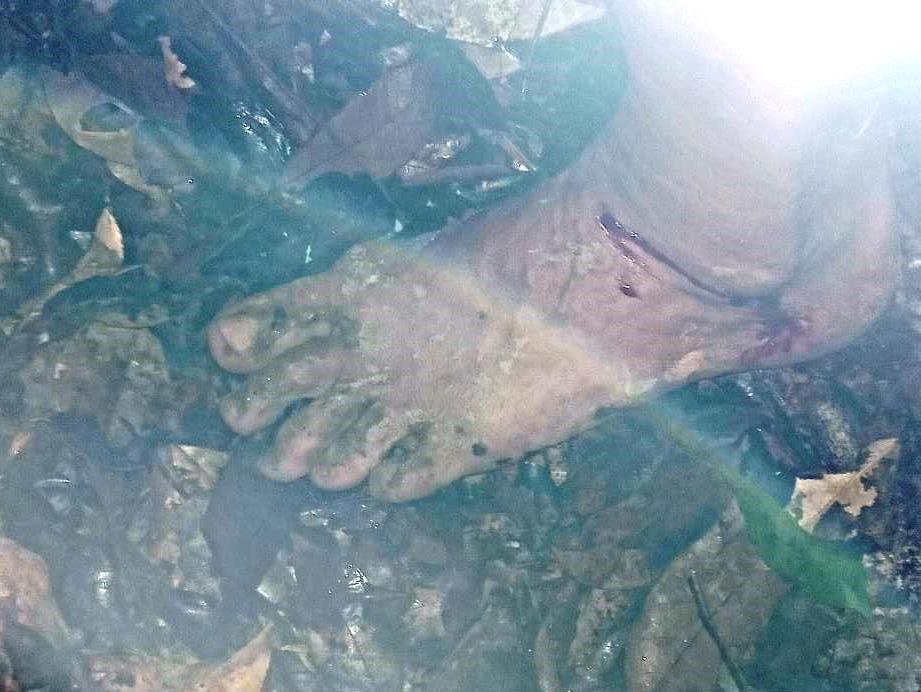
Smashed soapbush leaves are commonly applied to minor bleeding wounds. These are scratches and cuts, but also leech wounds will stop bleeding earlier when these leaves are used. The main reason for this effect is the high tannin content in the leaves, which can range from 5% to 20% of the leaves’ dry weight. Tannins likely play the most significant role in stopping bleeding, followed by the supportive effects of flavonoids and phenolic acids, as mentioned earlier.
Berries for food
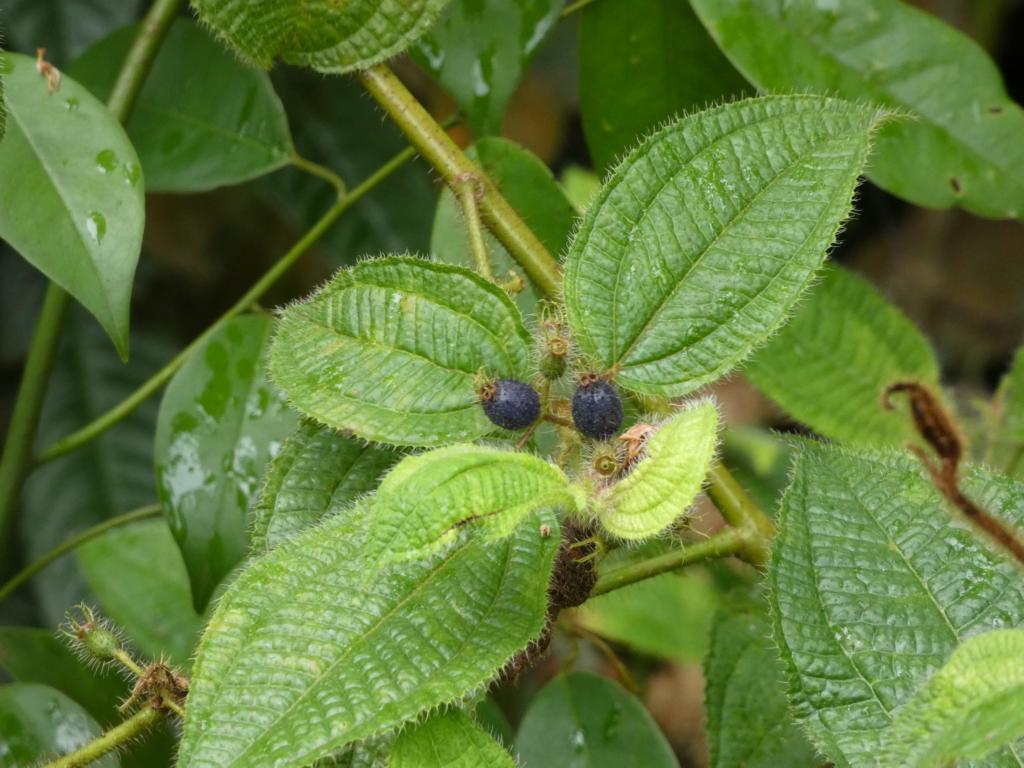
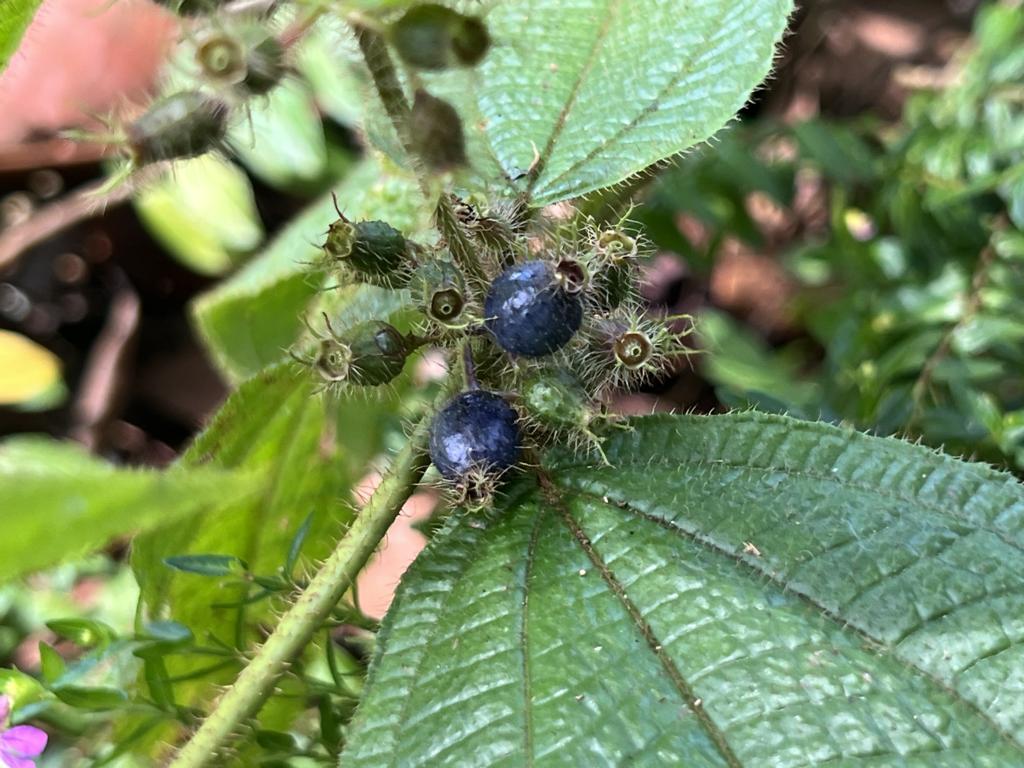
When the berries are eaten ripe, they taste slightly sweet but overall bland, leaving the eater with no wow factor. The berries’ skin is purplish-black and firm, and the pulp inside is purple in color and full of tiny seeds. When you eat these berries, the inside of your mouth will also turn purple. It is therefore also regarded as a kind of fun food for kids.
Pak Raman, a knowledgeable Semai Orang Asli elder, recommended not eating more than three soapbush berries at a time. Otherwise, according to him, stomach aches will develop. There is, however, no report of human poisoning, and no toxicology test results have been published to date.
Nutritional value of soapbush berries
As with potential health risks, the nutritional value of the berries has also not been well documented in the scientific literature. Miconia crenata berries are filled with tiny seeds in a watery pulp enclosed in a tough skin. Which means, they likely contain low levels of calories. Wild berries typically provide 30-60 calories per 100 grams. Due to their low sugar content and high inedible-seed content, they will likely fall at the lower end of this range.
We therefore conclude that the berries of soapbush are unlikely to be toxic, are edible in small quantities, and likely have relatively low nutritional value.
Carrying fish
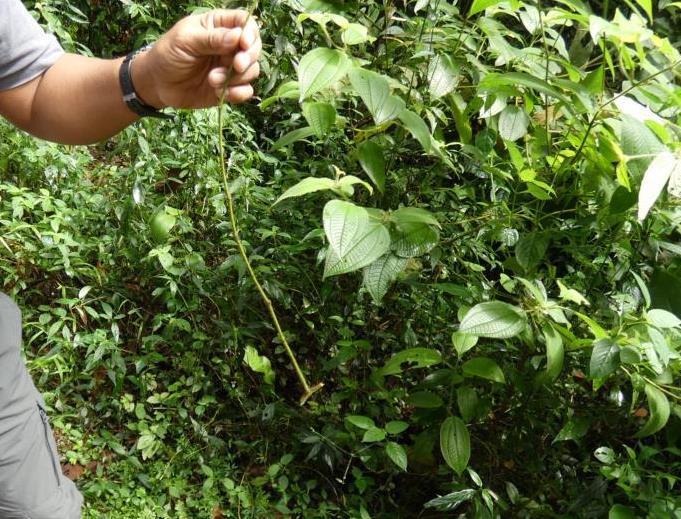
Another application of soapbush plants is as fish-holding sticks. Most fish caught in rainforest streams are relatively small in size. Miconia crenata plants are growing in most places on the fringes between stream and forest, and therefore are readily available. They grow to the correct size and hardness for such sticks and are non-toxic.
The end of the stick will be pulled behind one gill cover and through the mouth of the caught fish. Because of the traverse piece at the end of the stick, the first fish can’t slide away, and all others will be held securely back by the fish heads before them.
Lessons learned about soapbush as a junglecraft plant:
- Soapbush is a versatile junglecraft plant, which can be used as an alternative to soap for washing hands and similar applications.
- Smashed leaves will help to stop bleeding. This is especially important for leech bites.
- The berries are edible in small quantities and are fun food.
- Soapbush sticks will help to carry several freshly caught fish home securely.
.