The first part of this article concentrated on the production of the rough blowpipe. The second part describes how to finish it and the design elements of the Borneo blowpipes, including their use.
Finishing the barrel
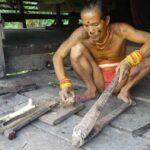
The metal rod used to bore the hardwood is called kerajang. After the iron rod bored through the log, the inside of the barrel is rough from the action of the chisel. To smooth the bore, near seashores, shark or ray skin is secured to a cord and often pulled through the barrel. In landlocked areas, another steel rod, called syok, with a sliver of rattan tied to its end, is used to smooth the bored hole. On this rattan sliver, fine sand or clay is smeared, and the sliver is pushed through the barrel repeatedly, back and forth. Another possibility is to use a sago palm aerial root. This thin root will be hardened in the fire, and every 20 cm (one finger span) the wood will be feathered along the whole circumference. By pulling it through the barrel, it serves as a kind of rasp.
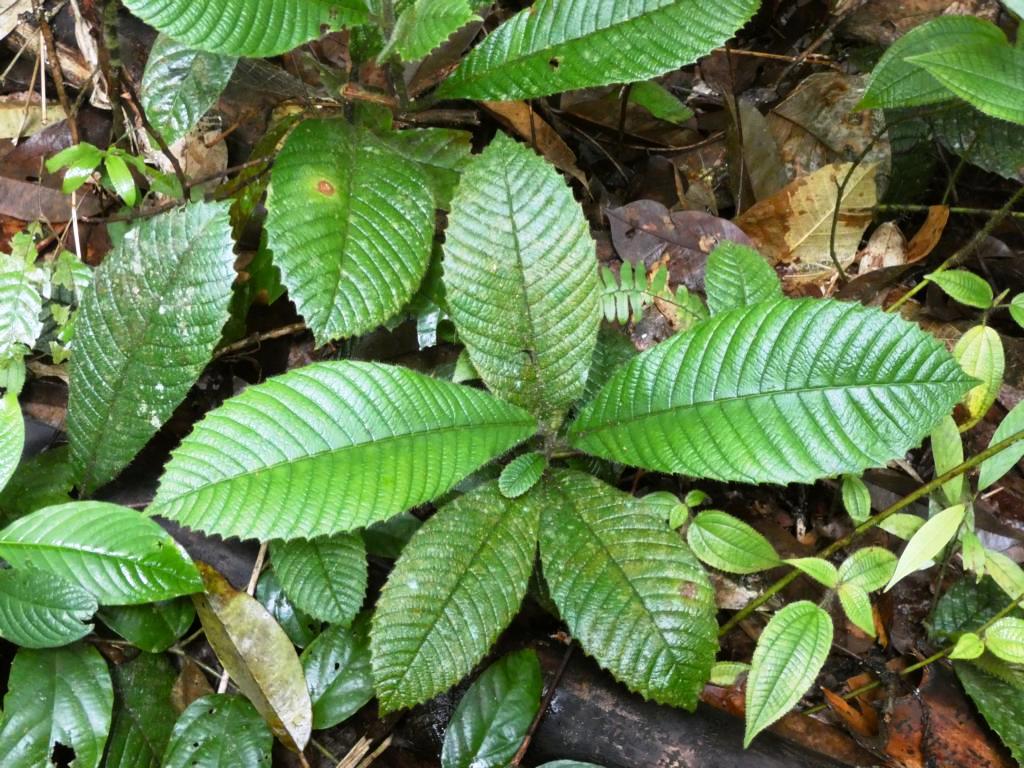
Subsequent polishing is performed using the syok or sago aerial root, with leaves of the sandpaper plant (Tetracera scandens), until the interior reflects like a mirror.
Only after the hole is successfully bored does the craftsman trim down the log’s exterior. Because the hole might not be perfectly centered in the original square log, they use the hole itself as the guide. Finally, they shave the exterior wood until the walls are about 1 ½ inches at the mouth and 1 inch at the muzzle, by scraping and smoothing with knives and rasps.
The mouthpieces of Borneo blowpipes
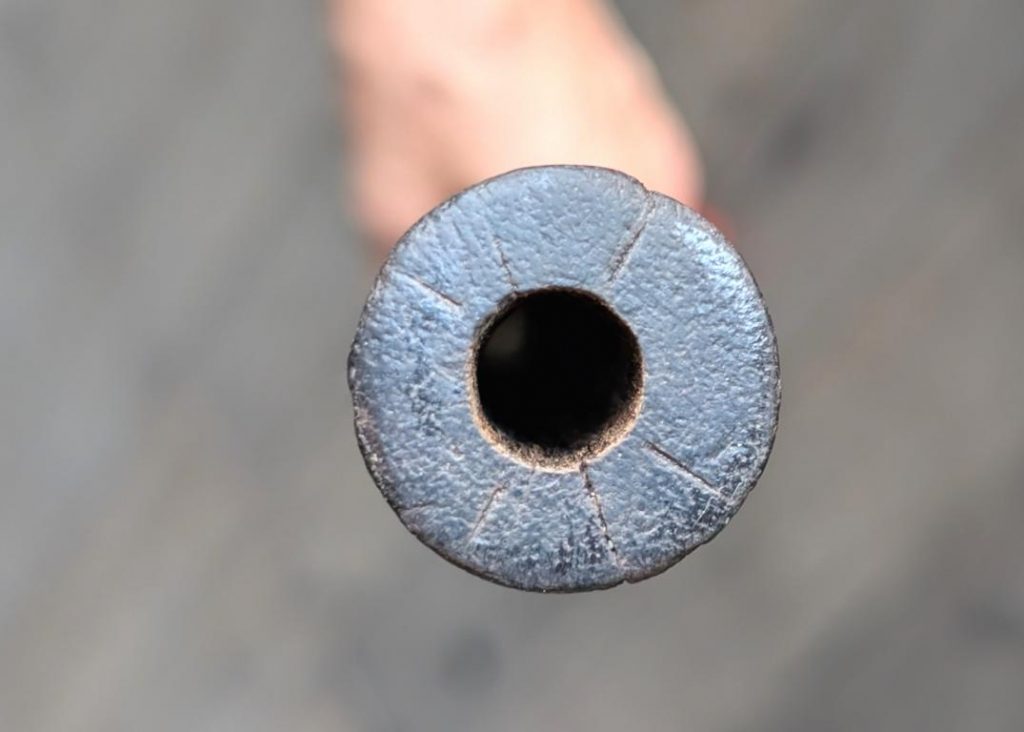
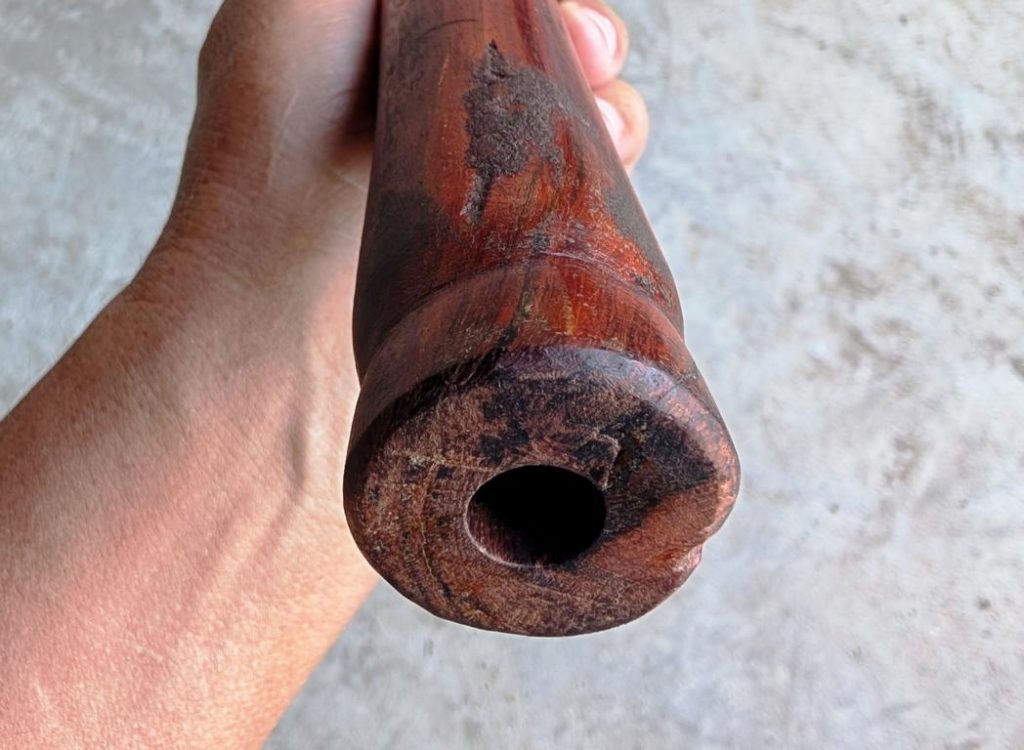
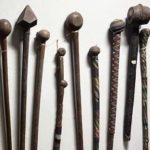
Typical mouthpieces of traditional Borneo blowpipes
The mouthpiece of the traditional Borneo blowpipes is an integral part of the wooden staff, with a flat end and sometimes a slightly conical carving toward the muzzle for ease of lip placement.
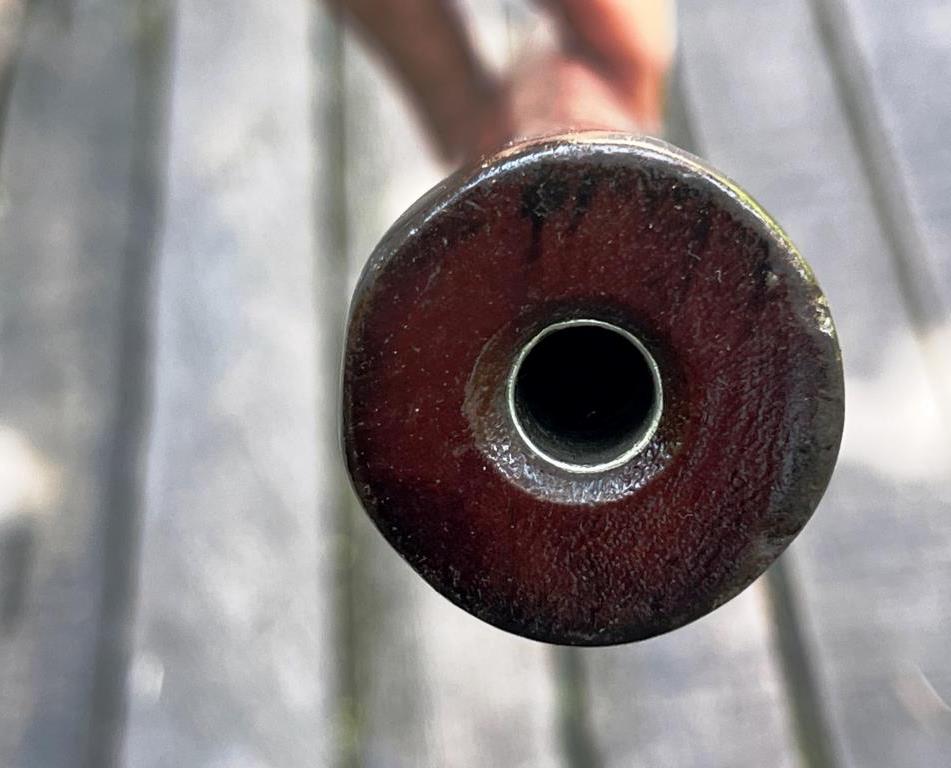
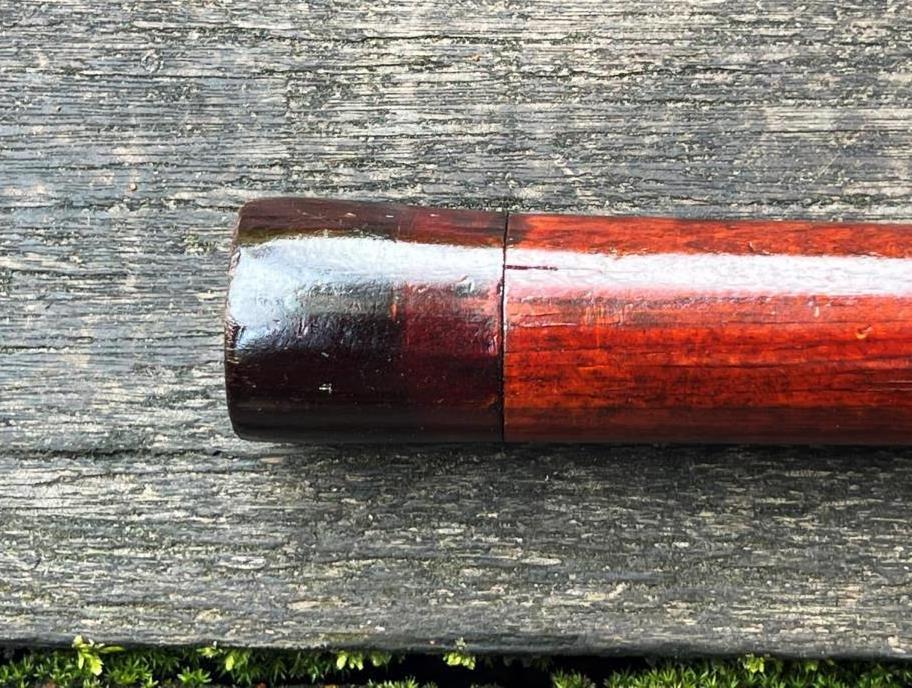
Mouthpiece of modern Borneo blowpipes
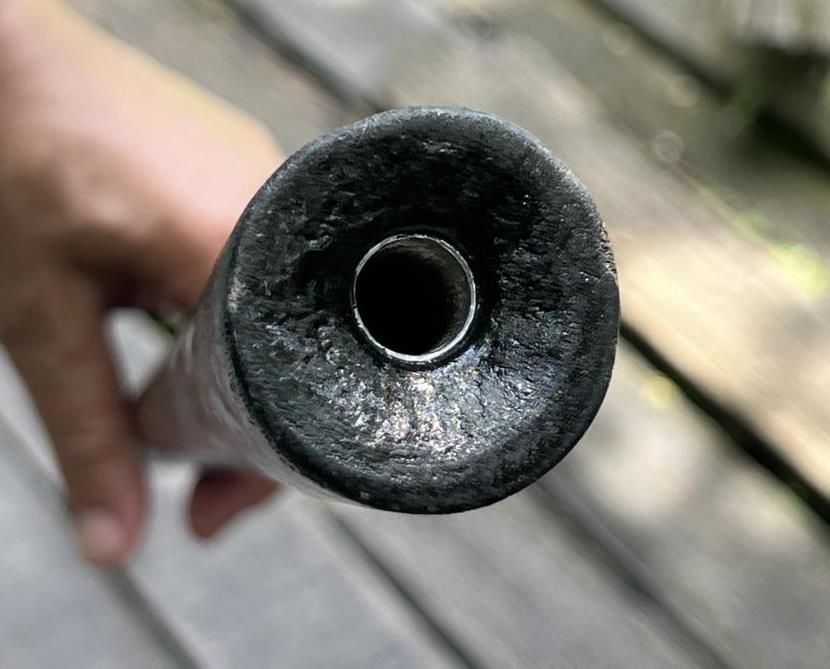
Modern manufactured Borneo blowpipes consist of an aluminum barrel within the soft-wood staff and a separate hardwood mouthpiece with either a flat or concave end. The entire blowpipe is varnished to protect against humidity and subsequent warping.
The spearheads of Borneo blowpipes.
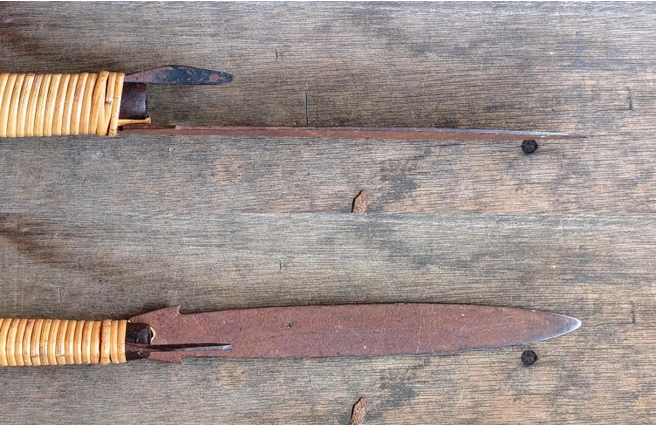
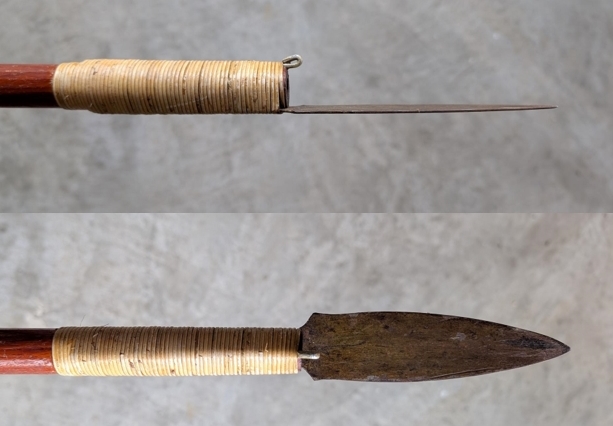
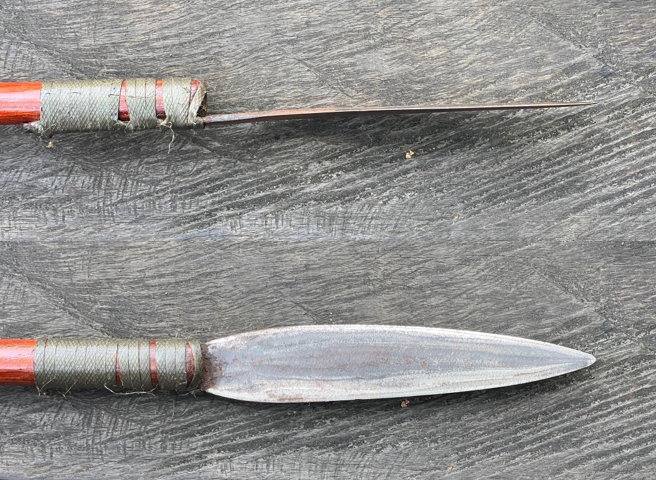
Traditionally, Borneo blowpipes are fitted at the muzzle end with a spearhead. This makes good sense, as the blowpipe itself is a sturdy staff, and the fitted spearhead could be used either for defense or to finish off wounded animals.
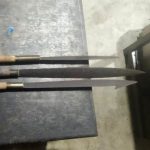
In former times, stone spearheads were used. Nowadays, village blacksmiths forge the high-carbon iron spearheads. Their tail piece has a slight inward curve that hugs the blowpipe’s curvature. It is lashed on one side of the muzzle with a split rattan binding. When the rattan dries, it shrinks slightly, resulting in a tighter grip than can be achieved with paracord or other rope. Before binding the spearhead to the blowpipe, damar resin is applied between them. This acts as a glue and prevents moisture from seeping between the metal and the wood, which would cause rot.
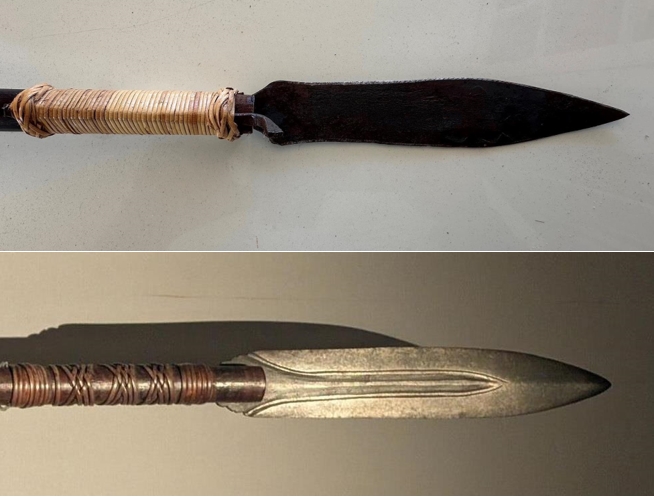
We observed and shot with blowpipes at three cultural centers in Sabah and Sarawak. We also saw an antique one at the Borneo Cultural Museum in Kuching. Later, we handled another original one at Shaik Reismann’s residence in Kuala Lumpur. The spearheads on the three cultural-center blowpipes were poorly made and only provided a visual impression of how these spearheads may have looked in the past. They would not have been fit for use during hunting. But both the blowpipes in the Borneo Cultural Museum and those with Shaik were actual hunting weapons.
Sights and aiming with the blowpipe.
The two Murut blowpipes and Shaik’s Penang blowpipe have a separate aiming sight, which is located opposite the spearhead. When shooting, this sight will be positioned underneath the target point. Because the distance between the anchor point (mouth and mouthpiece) is always kept the same and the sighting line is very long, hitting the target can be learned in a relatively short time.
The blowpipe in the Borneo Cultural Museum has a different aiming principle. Aiming is done with the uppermost visible surface of the muzzle end. This spearhead is significantly heavier than modern spearhead gimmicks and pulls the blowpipe slightly downward. Therefore, Borneo hunters often carve the blowpipe with a slight natural curve. They then attach the heavy spearhead so that the metal’s weight pulls the wood perfectly straight when held horizontally. This serves as a “pre-tensioned” barrel to maximize accuracy.
Handling of Borneo blowpipes
Because the blowpipe is the primary means of obtaining food, it is held in high regard. Some tribes believe the blowpipe has a spirit. When a new spearhead is attached, it must be fed with the blood of the first animal caught to ensure it remains sharp and the aim remains true.
Furthermore, a blowpipe should never be laid flat on the ground; it is typically leaned against a wall or hung. This prevents ground moisture from warping the perfectly straight bore.
Lessons learned about traditional Borneo blowpipes:
- These blowpipes are of a completely different design compared to Orang Asli blowpipes in Peninsular Malaysia.
- They consist of hardwood throughout, in which the barrel was drilled.
- Each blowpipe is fitted with a spearhead for defense and finishing off wounded animals.
- Due to the long sighting line, aiming and hitting targets is relatively easy.