
Food from Animals
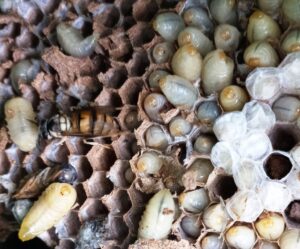
Black Shield Wasp combs collected for food in Vietnam
In the rugged terrain of the Pu Luong Nature Reserve in northern Vietnam, insects have long formed an integral part of the traditional diets of the Muong ethnic people living there. Among the social wasps local foragers target, the Black Shield Wasp (Vespa bicolor) stands out among other, larger Vespa species. Renowned for its rich nutrient profile, high protein content, and distinct flavor, this wasp species is actively sought out during late summer and autumn. Bands of mostly young, local males venture deep into mixed forests and hill country to locate wild colonies. The main harvest consists of the tender…
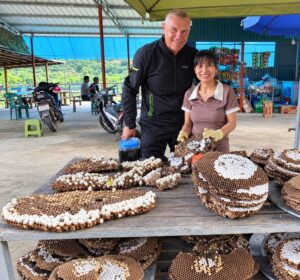
Asian Giant Hornet combs for sale in Vietnam
In our previous article, Hornet Larvae for Food in Vietnam, we described the harvesting of Lesser-banded Hornet (Vespa affinis) nests for their grubs and pupae. Here, we take a closer look at giant hornet combs and explain how they differ from those of the Lesser-banded hornet. Description of the Asian Giant Hornet Vespa mandarinia is a spectacular insect. Workers commonly reach around 3.5 cm in length, while queens can approach 5 cm or more. The huge orange head and powerful orange mandibles are among its most obvious features. The abdomen is dark brown to black with contrasting yellow-orange bands. This…
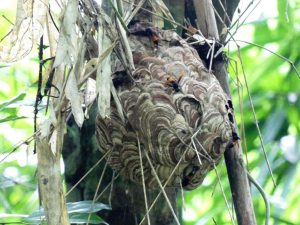
Hornet larvae for food in Vietnam
Vietnam’s culinary landscape is legendary for pushing boundaries, offering everything from savory phở to exotic highland delicacies. One such food is hornet larvae, which we harvested during a long stay with local rice farmers in the central highlands, far from any city. For them, harvesting and eating hornet larvae is neither an ancient survival tradition nor a modern delicacy. These larvae and pupae are a normal part of their diverse animal protein diet, complementing their farmed rice. Larvae from Which Hornet Species Are Eaten in Vietnam? Across Southeast Asia, people eat several stinging insects, but hornets (Vespa) are especially favored…

Traditional Malgana Food: Pied Cormorant Eggs from Shark Bay
The Malgana Aborigines in Shark Bay are one of the coastal Aboriginal tribes in Western Australia. One of their traditional food sources is the eggs of Pied cormorants (Phalacrocorax varius). Still nowadays, this Aboriginal community has the right to collect these cormorant eggs. As the community is small, with only a few members relishing this food source, and cormorants are plentiful, there is no threat to the Pied cormorant population. Description and distribution Pied cormorants prefer shallow seagrass beds to catch their favorite prey, which are slow-moving leatherjackets. Often, two of them are swimming side by side. And it is…
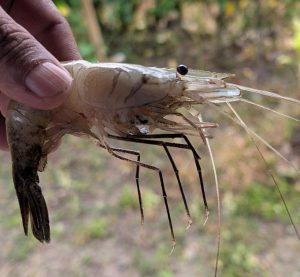
Terrestrial and freshwater crustaceans at Siberut Island
In the fields and forests of Siberut Island, various land crabs can be found, and the inland waters contain other freshwater crustaceans, like prawns and shrimps. On the coast and in the sea, there lives a far larger variety of crustacean species. Terrestrial crabs The following land crab species occur in Sumatra: With high likelihood, all four species also occur on Siberut. The Pacific Land Crab (Tuerkayana hirtipes) has been explicitly confirmed, and Turkana magnum, the Giant Orange-legged crab, is the famous ‘Anggau’ crab of Mentawai. These crabs are also recorded at Sipora, the island just south of Siberut. The…
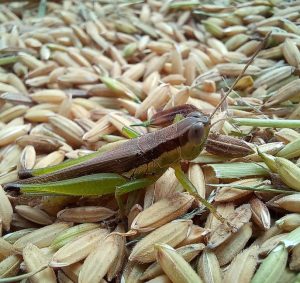
Grasshoppers for food in Vietnam
In October 2023, I spent two weeks living with rice farmers in northern Vietnam. It was in this area that Ho Chi Minh used as his initial base of operations against the regime after his return from China. The farmers there still live an elementary and traditional life. The only modern achievement in the area is a Ho Chi Minh memorial, accompanied by a large, paved area in front of it. This area is beneficial for the farmers, as they can dry their freshly harvested rice there. Besides agriculture, there are no industrial operations in the area, and few local…
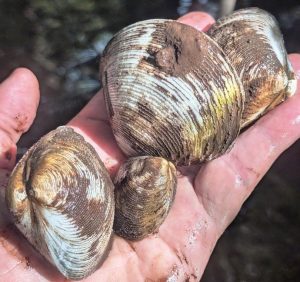
Mollusks in the inland waters of Siberut Island
In rivers, coastal zones, and mangrove forests, a diverse array of bivalve and gastropod species is collected and utilized for food. Bivalvia species Freshwater streams River clams (Batissa violacea) occur in large quantities in the lower zones of all slow-flowing rivers with muddy bottom on Siberut Island. These clams are large, thick-shelled bivalves with a dark purplish-brown hue. Collecting these bivalves is always done by a group of women who support each other. Often, two of them will share a canoe, and each one has its own five-meter-long bamboo stick. They ram this stick from the dugout canoe into the…
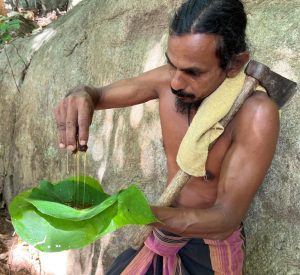
Collecting honey from Dammar bees in Sri Lanka
The Rock Vedda people at Rathugala near Gal Oya in Sri Lanka collect honey from stingless Dammar bees. This last remaining band of Rock Veddas in Sri Lanka consists of 68 families, of which only ten of them still live their traditional life in the forests. We were fortunate to have been connected to the traditional leader of this band. He showed us various skills and knowledge of the original Rock Veddas, including collecting honey from stingless bees. After him, all these practical skills will be lost, as he has four daughters and only one son. All five of them…

Collecting honey in a rock crevice
Asian honey bees and their combs are a special treat for the local population of backcountry areas at Pu Luong Nature Reserve in northern Vietnam. The harvested honey is seldom sold and is mainly used by the villagers. The grubs, which are instar larvae and pupae of various stages, will be extracted from the combs and are a delicacy in their kitchen. Description and distribution Apis cerana is slightly smaller than the Western honey bee (Apis mellifera). Apis cerana workers have four abdominal stripes, whereas A. mellifera workers have only three dark stripes. They build hives with parallel wax combs…

Catching mud crabs at Koh Lanta
Mud crabs are common in mangrove areas in Thailand. They are primarily caught in crab pots for commercial purposes. However, my Urak Lawoi friends and I specialized in digging up and catching these crabs by hand. Who are Urak Lawoi people? Ulak Lawoi is one of the three sea-gypsy tribes in Thailand bordering the Andaman Sea. The Northernmost tribes around the Ranong area and into Myanmar are called Moken. From that area down to the north of Phuket, the Moklen people reside, and from Phuket down to Langkawi Island in Malaysia, the Urak Lawoi people live. Urak Lawois changed their…
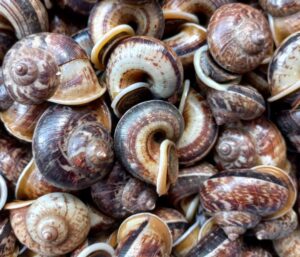
Edible rock snails in limestone areas of Vietnam
Rock snails of the genus Cyclophorus are highly sought-after wild foods in rocky limestone mountain areas of Vietnam. These snails are not only regarded as food but also as medicine against various ailments. The local Vietnamese name is Ốc thuốc, but they are also called Ốc núi in parts of the country. English common names vary from Rock snail to Mountain snail to Stone snail. Whatever it is, there are many Cyclophorus spp., of which about 870 species are known worldwide. In South Asia, Southeast Asia, and the Far East, 100 species are currently known to science. An overview of…

Pigs in Mentawai Culture: Gift for the Shaman and Festive Food
Domestic pigs are a typical gift from a Mentawai family to a shaman for his support or services. In our case, Aman Aru attended a ceremony in a neighboring Uma (family home in the forests), which had to be cleaned from evil spirits. After the ceremony and lots of food, we returned late at night to our Uma with a live piglet packed in strings of sago leaves. Shamanic ceremony and slaughtering Unfortunately, I was so impressed by the chanting of Aman Aru that I forgot to record the ceremony. When it was over and death spelled, I only started…

Sago worms of an unidentified species at Siberut Island
Sago worms are one of the food items that come naturally with the Mentawai’s staple food, sago flour. The worms grow in felled palm trunks or saplings. They are not worms but larvae and pupae of the Palm Weevil beetles (Rhynchophorus sp.). These beetles are worldwide regarded as a significant pest of palm trees. Geographic distribution By the beginning of 2024, at least ten recognized species of Rhynchophorus beetles infested nearly all palm-growing areas worldwide. Distribution map of Palm Weevil beetles worldwide, according to this source. Rhynchophorus vulneratus (Panzer, 1798) is commonly found in Indonesia. Furthermore, Rhynchophorus lobatus (Ritsema, 1882) was described to occur…

Mentawai Shamanic Rituals: The Role of Sacrificial Chicken in Siberut Culture
Deep in the rainforests of Siberut Island, the Mentawai tribe food culture transcends simple nutrition, weaving a complex web between the physical world and the spirit realm. While their diet is traditionally rooted in sago and forest foraging, the domestic chicken occupies a sacred space that goes far beyond the dinner plate. In this exploration of Mentawai Shamanic Rituals, we delve into why the sacrificial chicken is the ultimate messenger to the ancestors and a cornerstone of Sikerei (shamanic) tradition. Domestic chickens are omnipresent around every Uma (family home) in the forests of Siberut Island. During nighttime, they are kept…

Animal species collected by rice farmers in the Red River Delta
Rice farmers in secluded areas of the Red River Delta in Northern Vietnam need dietary additions to their staple rice dishes. Vegetables are harvested from around their homes and surrounding tropical Evergreen forests. Animal proteins are mainly collected in and around their rice fields, nearby water bodies, and the forest. The author of this article had the opportunity to accompany various rice farmers in different areas of Northern Vietnam on their daily protein collection. This article gives an overview of which species were primarily collected. More detailed information about the collection methods for many of these animals can be gathered…

Green-billed Malkoha bird on the spit
The Green-billed Malkoha is a common bird in Vietnam’s semi-deciduous tropical forests. An expedition led to the capture of one who was cooked for lunch. This and other species are often hunted by villagers supplementing their diet with this and other forest harvests. The bird, roasted and seasoned with lemongrass, resembled the taste of free-range chicken. Description of Green-billed Malkoha bird Green-billed Malkohas (Phaenicophaeus tristis) are a species of non-parasitic cuckoos. According to the Cornell Lab of Ornithology, they are widespread, and their Red List category is ‘Least Concern.’ A description of this species can be found at this link.…

Utilizing Horseshoe Crabs as a Food Source
Foreword Horseshoe crabs are a species not protected in Thailand and are experiencing a significant decline. Their primary habitats, particularly the mudflats around mangrove forests, where they live and reproduce, are diminishing, and there is a growing demand for edible female horseshoe crabs as exotic cuisine. However, it is crucial to emphasize that this article does not endorse or encourage the unsustainable exploitation of these creatures. Instead, it aims to provide international readers with an overview of the historical significance of horseshoe crabs as a traditional food source. I firmly stand against removing even a single horseshoe crab from its…

Eating centipedes in Yunnan Province, China
Eating insects and centipedes is a long tradition in Lijiang City, in Yunnan Province, P.R. China. In addition to centipedes, other insects such as bamboo worms, silkworm pupae, and locusts are also consumed. While they are high in protein and considered delicious by locals, their appearance can be off-putting to those unfamiliar with the local culture. The sixth national census of China, conducted in 2010, found that the Naxi people make up approximately 34% of the population of Lijiang. They are one of the largest ethnic groups in the region and have a rich cultural heritage that includes a hieroglyphic…

Semi-Dried Fish in Thailand
In Thailand, both sea and freshwater fish are dried to increase their shelf life for later human consumption. Before the advent of refrigeration, the primary method for preventing spoilage was to salt the fish and then leave it in the sun until completely dry. Folk knowledge accumulated over centuries determined the amount of salt required to preserve each type of meat and the time needed for sun-drying. Small and medium-sized species, caught in limited quantities, are usually consumed fresh by individuals or restaurants. Large quantities and bigger species, which cannot be consumed or sold to intermediaries in one go, are…
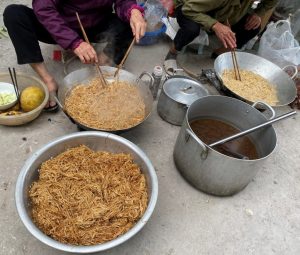
Canh Măng Mực: The Royal Dried Squid and Bamboo Soup of Bát Tràng
Experience the sophisticated flavors of Northern Vietnam with Canh Măng Mực, a rare, traditional Vietnamese squid-and-bamboo soup. Deeply rooted in the culinary heritage of the ancient Bát Tràng ceramic village near Hanoi, this dish is far more than a simple meal—it is a centerpiece of the Vietnamese Tet (Lunar New Year) feast. Combining the earthy crunch of sun-dried bamboo shoots with the savory depth of shredded dried squid, this authentic Vietnamese soup recipe offers a unique “forest meets sea” profile that has delighted travelers and locals for generations. Whether you are exploring Hanoi’s traditional food specialties or looking to recreate…

Weaver ants got interesting traits
Weaver ants of the genus Oecophylla consist of two different species. One species is Oecophylla longinoda, which occurs in equatorial, tropical African regions. The other species is Oecophylla smaragdina, distributed in tropical Asia and Australia. Both of them are also commonly called either ‘Red ants’, ‘Green ants’, or ‘Tailor ants’ in various local languages. The above pictures of the Weaver ant nest of the species Oecophylla longinoda were taken at False Bay, iSimangaliso Wetland Park (former name: Greater St. Lucia Wetland Park), KwaZulu-Natal, South Africa. These pictures clearly show the leaves, which are still alive and glued together with larvae…

Pla Ra – Thailand’s fermented fish condiment
Pla Ra (Thai: ปลาร้า, pronounced [plāː ráː]), is fermented fish. Traditionally, Thais in the Central and Northeast provinces (Isan) eat fish and rice. In these relatively poor provinces, there is only one rice growing cycle every year. The planting season starts in May, and by the end of June, it is over. After planting, the rice fields are stocked with fish fingerlings. The growing season follows from July to November, and rice and fish are harvested in December. Rice can be dried and stored easily, whereas fish have to be preserved. Farmers converted all suitable land into rice farming. Therefore,…

Drying meat in Shanghai at wintertime
It is at least a 2000-year-old tradition in many provinces in China to cure and preserve meat in wintertime. Pigs were slaughtered after the ‘Light Snowfall’ date (around Nov 22nd/23rd). Then, the temperatures plummeted, and this meat had to be preserved to be stored until next summer. It is a tradition to cure meat for Chinese New Year festivities. The first day of Chinese New Year starts when the new moon appears between Jan 21st and Feb 20th. This marks the change from winter- to springtime and differs yearly. Curing meat begins about four weeks before the first day of…

Taste of Gaur meat at Kaeng Krachan rainforest
We were on a weeklong trail through the Kaeng Krachan rainforest, near Hua Hin in Thailand, when we tasted Gaur meat. Together with two National Park (NP) rangers, we came across a freshly died Gaur heifer. This Gaur (Bos gaurus) was poached, as there was a small-caliber rifle shot visible in the upper throat area. And the heifer died most probably of starvation, as the whole throat was full of necrosis. Gaur cow and bull at Khao Kheow Open Zoo near Si Racha, Thailand. Poachers at Kaeng Krachan The location where we found the animal was about 5 km from…

Pla Yang: Traditional Thai Open-Fire Spit Roasted Fish Guide
Grill spit for small fish outdoor cooking on a spit Smaller fish up to about 20 cm long are typically put on a grill spit, which is just a split stick. Often, in Thailand, this will be Pla Kod (Thai: ปลากด) (Hemibagrus wyckioides), commonly known as Asian Red-tail Catfish. This fish species is omnipresent throughout Southeast Asia, in every sizeable puddle of water, including lakes and streams. The fish has very tasty white meat with not too many bones. Pla Kod has only one main disadvantage: It has three about 2 cm long, strong, and heavily barbed spines. One spine…
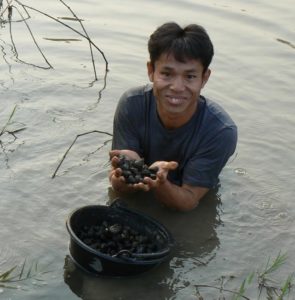
Freshwater snails for food
In Thailand, two types of freshwater snails are commonly consumed. The first group is comprised of the larger Apple snails (Pomacea canaliculata), while the other group is referred to as Freshwater snails (Sinotaia sp. & Filopaludina sp.). These genera can be found in abundant quantities throughout the region, wherever fresh water is available year-round. General information about Apple snails The apple snail, also known as the Golden apple snail, is commonly harvested in Thailand. They can be found in abundant quantities throughout the region, wherever freshwater is available year-round. The peak season for collecting and eating apple snails in Thailand…

Jellyfish for food and its preparation
Edible jellyfish (Aurelia sp.) is called ‘Maeng krapun jarn’ (Gulf of Siam) or ‘Lodchong’ (Andaman Sea) in Thailand. Usually, there are about three months a year when jellyfish appear for food. During this jellyfish run, sea fishermen earn a sizeable additional income by collecting these Cnidarians. However, edible jellyfish are available throughout the year, but in lesser numbers. Which parts to eat from jellyfish The jellyfish cap is considered the edible part of these Cnidarians, and all other parts (oral arms, tentacles, gonads, and so on) are removed. After that, the cap is either washed in seawater and scraped to…

The Ultimate Survival Snack: Foraging and Preparing Ricefield Shrimp
Freshwater prawns, specifically Macrobrachium lanchesteri—locally known as Goong foi in Thailand—are one of the most efficient “survival foods” you can find in the wild. While they might be small, these translucent crustaceans are abundant in nearly every permanent water body across Southeast Asia, particularly in rice paddies. For the bushcrafter or survivalist, they represent a high-protein, low-effort meal that can be harvested with minimal gear. How to Catch Your Meal The beauty of ricefield shrimp is that you don’t need expensive lures or heavy rods. In traditional Thai foraging, two primary methods stand out: Once caught, the shrimp are typically…
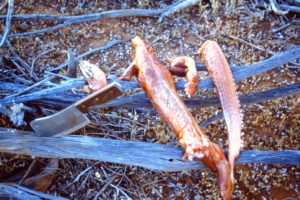
Eating a sand monitor lizard (Goanna)
In the former article, I described seeing a majestic sand monitor lizard close by on my drive from Menzies to Sandstone on a side road. Driving further on, I was surprised to see many more Goannas left and right on the track. This was the densest Goanna population I had ever seen. Presumably, the local farmers heavily thinned out the Dingo population, and Goannas thrived. Road killed Goanna Driving further on, a dead Sand monitor lizard was lying sideward on the track. It was still freshly killed and most likely run over by the truck I met before. Goannas are…